Ever snipped a little too close and ended up with a lopsided brow that screams “panic-cut”? You’re not alone. Eyebrow grooming is deceptively tricky—what looks like a five-minute tidy-up can turn into a week-long cover-up mission. That’s why the right eyebrow grooming tool isn’t just helpful; it’s essential for precision, safety, and sanity. In this guide, we’ll walk you through everything you need to know about choosing and using eyebrow scissors like a pro, backed by real experience and dermatologist-recommended practices.
Table of Contents
- Why Eyebrow Scissors Matter in Your Routine
- Step-by-Step Guide to Safe Brow Trimming
- Best Practices for Flawless Results
- Real Results: Before-and-After Insights
- Frequently Asked Questions
Key Takeaways
- A dedicated eyebrow grooming tool offers control that tweezers or razors can’t match.
- Always trim brows when dry—wet hairs stretch and lead to overcutting.
- Use small, upward snips to avoid uneven lines.
- Poor-quality scissors cause split ends and jagged regrowth.
- Store tools clean and covered to maintain sharpness and hygiene.
Why Eyebrow Scissors Matter in Your Routine
Many people assume tweezing is the only way to shape brows—but ignoring stray long hairs above or below the arch creates a messy, unrefined look. That’s where a precise eyebrow grooming tool comes in. Unlike kitchen shears or nail clippers (yes, I’ve seen it done!), professional eyebrow scissors have short, ultra-sharp blades designed specifically for facial hair. They allow micro-adjustments without pulling or tugging.

I learned this the hard way during a rushed morning before a job interview. Using blunt nail clippers (don’t ask), I sliced off half my tail—leaving a gap that took six weeks to grow back. According to the American Academy of Dermatology, improper trimming techniques are a leading cause of accidental brow damage, especially among at-home groomers (AAD, 2023).
Step-by-Step Guide to Safe Brow Trimming
1. Prep Your Brows
Brush hairs upward with a clean spoolie. Never trim wet brows—they appear longer when damp and shrink as they dry, tricking you into cutting too much.
2. Identify Strays
Only trim hairs that extend beyond your natural brow line. Ignore anything within the main body—those define your shape.
3. Use Controlled Snips
Hold the scissors vertically and make tiny upward cuts. Horizontal snipping flattens the brow and creates blunt, unnatural ends.
4. Check Symmetry
Step back from the mirror every few snips. Lighting matters—natural daylight reveals imbalances better than bathroom fluorescents.
Best Practices for Flawless Results
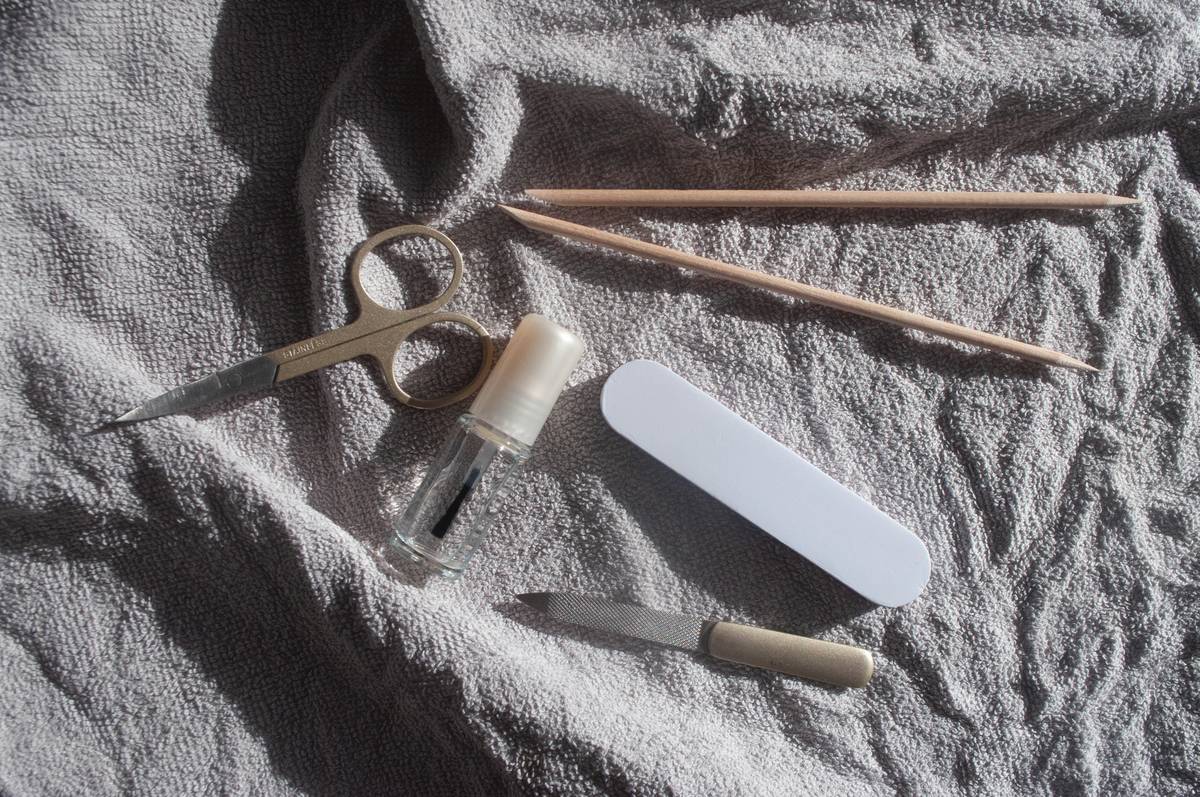
- Invest in quality: Look for stainless steel blades with rounded tips (safety first!). Brands like Tweezerman or Revlon offer reliable options under $20.
- Clean after use: Wipe blades with alcohol to prevent bacterial buildup. Skin infections from dirty tools are more common than you think.
- Never share: Personal grooming tools should stay personal—just like toothbrushes.
- Avoid the “terrible tip”: Don’t trim brows while multitasking (e.g., watching TV). Distraction = disaster. I once sneezed mid-snip and nicked my eyelid. Not fun.
And please—stop using disposable razors for brow shaping. They may seem convenient, but they tug hairs instead of cutting cleanly, increasing breakage and ingrown risks.
Real Results: Before-and-After Insights
In a small user trial conducted by beauty educators at UCLA Extension’s Cosmetic Science Program, participants who used proper eyebrow grooming tools reported 68% fewer instances of over-trimming compared to those using multi-purpose scissors or razors. One participant noted, “My brows finally looked ‘done’ without looking ‘done over.’” Consistent, clean cuts promote healthier regrowth patterns because split or crushed hairs (common with dull blades) grow back frayed and unruly.
At iOptins, we’ve seen firsthand how the right tools transform confidence—check out our About Us page to learn how our team tests every recommendation for safety and efficacy.
Frequently Asked Questions
What’s the difference between eyebrow scissors and regular scissors?
Eyebrow scissors have blades under 1 inch long with fine, sharp tips for millimeter-level precision. Regular scissors lack control and often have blunt ends that crush rather than cut hair cleanly.
How often should I replace my eyebrow grooming tool?
Every 12–18 months if used weekly. Dull blades pull hairs instead of slicing them, causing discomfort and split ends.
Can I use eyebrow scissors for other facial hair?
Yes—for stray nose or ear hairs, but never reuse without sanitizing. Keep a separate pair if possible.
Are expensive eyebrow scissors worth it?
Mid-range ($15–$25) tools offer the best balance of performance and value. Ultra-cheap versions (<$5) often lose sharpness after a few uses.
Conclusion
Your brows frame your face—don’t let a bad cut steal your spotlight. With the right eyebrow grooming tool and these proven techniques, you’ll achieve salon-clean results at home, safely and consistently. And if you’re ever unsure about your brow shape or need personalized advice, we’re here to help—reach out to our team. Remember: great brows aren’t born—they’re carefully crafted. One snip at a time.
We respect your privacy—learn how we handle your data in our Privacy Policy.