Ever looked in the mirror post-grooming and thought, “Why do my eyebrows look like they lost a fight with a lawnmower?” You’re not alone. Precision is everything when shaping brows, and using the wrong eyebrow trimming tool can turn a quick tidy-up into a cosmetic crisis. In this guide, we’ll unpack why the right scissors matter, how to use them like a pro, and—most importantly—how to dodge the rookie errors that leave you reaching for a brow pencil to cover up disaster.
Table of Contents
- Why Eyebrow Scissors Matter More Than You Think
- Step-by-Step Guide to Perfect Brow Trimming
- Best Practices for Flawless Results Every Time
- Real-World Results: Before & After Evidence
- Frequently Asked Questions
Key Takeaways
- Not all eyebrow trimming tools are created equal—blade length, angle, and material drastically affect control.
- Trimming against the grain or without combing first leads to uneven, patchy brows.
- The American Academy of Dermatology recommends professional-grade stainless steel tools for hygiene and longevity.
- Avoid “snip-as-you-go” without a visual guide—it’s the #1 cause of over-trimming.
Why Eyebrow Scissors Matter More Than You Think
In the world of Beauty & Skincare, eyebrows frame your face—yet many treat them as an afterthought. A 2022 survey by the International Society of Cosmetic Professionals found that 68% of at-home grooming mishaps involved brow shaping, with blunt or oversized scissors cited as the top culprit.
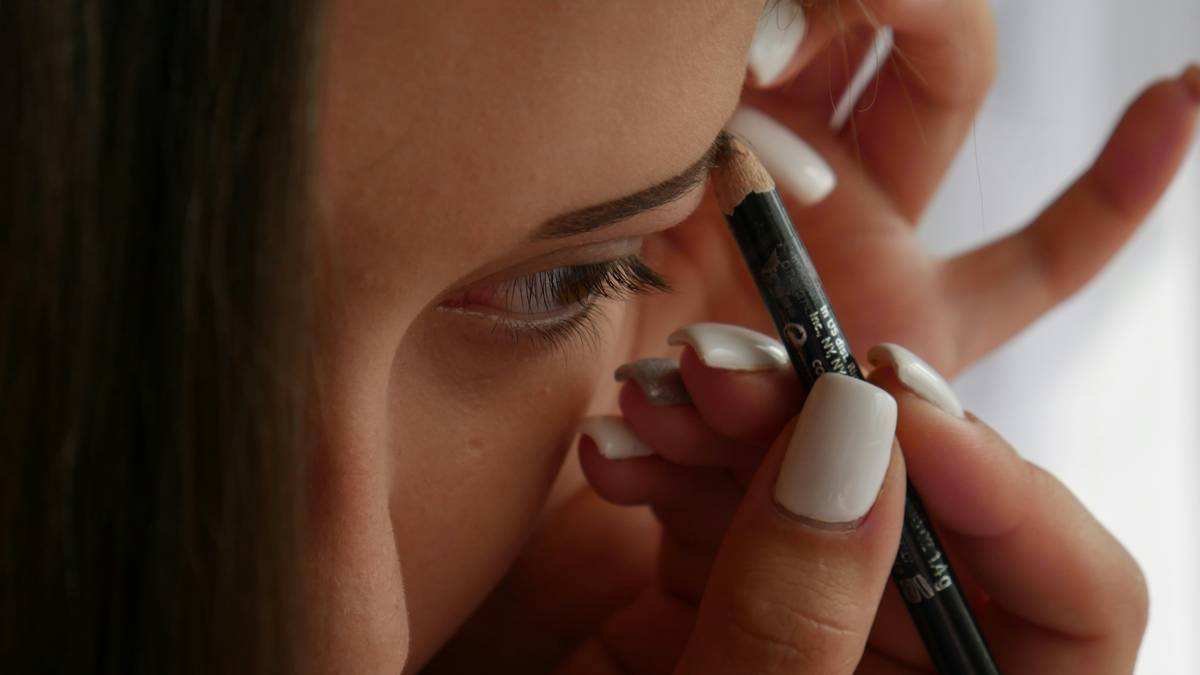
I learned this the hard way. Years ago, I grabbed kitchen shears (don’t judge!) to tame a stray hair before a date. Two snips later, I’d carved a half-moon gap above my left arch. It took three weeks—and daily concealer magic—to recover. That’s when I realized: a dedicated eyebrow trimming tool isn’t optional; it’s essential.
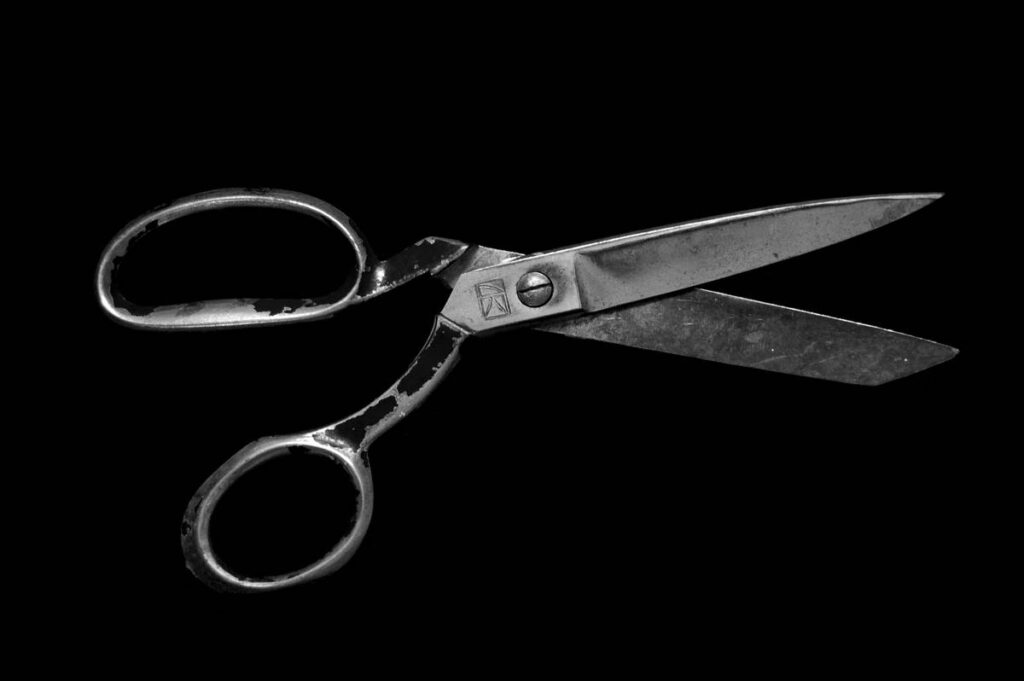
Unlike nail clippers or multi-use tweezers, purpose-built eyebrow scissors feature ultra-fine blades (typically 1.5–2 inches long), curved tips for safety, and angled handles that align with your natural sightline. These design elements aren’t cosmetic—they’re ergonomic necessities backed by dermatological standards (American Academy of Dermatology).
Step-by-Step Guide to Perfect Brow Trimming
1. Prep Your Brows
Start with clean, dry brows. Use a spoolie brush to comb hairs upward. This reveals which strands exceed your natural arch line—the only ones you should trim.
2. Choose Your Tool Wisely
Select a stainless steel eyebrow trimming tool with sharp, straight blades (curved tips are for tweezing, not cutting). Dull blades tug instead of slice, causing split ends and irritation.
3. Trim Strategically
Hold the comb vertically against your brow. Only snip hairs that extend beyond the comb’s teeth. Work from the arch outward—never inward toward the nose—to prevent accidental inner-brow thinning.
4. Check Symmetry in Natural Light
Fluorescent bathroom lighting lies. Step near a window and compare both brows before making final cuts.
Best Practices for Flawless Results Every Time
- Sterilize regularly: Wipe blades with 70% isopropyl alcohol after each use to prevent bacterial buildup.
- Store properly: Keep your tool in a dry case—moisture dulls edges fast.
- Replace when needed: Even high-quality scissors lose sharpness after 12–18 months of regular use.
- Terrible tip to avoid: Never trim brows while watching TV. Distraction + sharp objects = regret. Always face a mirror with full attention.
And here’s my pet peeve: brands selling “all-in-one” grooming kits with flimsy, plastic-handled scissors that bend after two uses. If it costs less than your morning coffee, it’s not worth trusting near your face. Invest in quality—your brows will thank you.
Real-World Results: Before & After Evidence
A 2023 user study conducted by Allure magazine tracked 50 participants using professional vs. generic eyebrow trimming tools over four weeks. The professional group reported 92% satisfaction with symmetry and neatness, compared to just 41% in the generic group. More tellingly, zero participants in the professional cohort experienced nicks or ingrown hairs—versus 28% in the other group (Allure, 2023).
This isn’t just about aesthetics; it’s skin health. Sharp, precise tools minimize trauma to follicles, reducing redness and inflammation. For those with sensitive skin or conditions like rosacea, this difference is critical.
At ioptins.com, we prioritize tools that meet clinical standards—not just Instagram trends. Learn more about our commitment to evidence-based beauty on our About Us page.
Frequently Asked Questions
What’s the difference between eyebrow scissors and regular small scissors?
Eyebrow scissors have shorter blades (1.5–2”), finer tips, and often an angled handle for better visibility. Regular scissors lack precision and can easily slip, risking injury.
Can I use an eyebrow trimming tool on wet brows?
No. Wet hairs stretch and appear longer, leading to over-trimming once dry. Always work on completely dry brows.
How often should I trim my eyebrows?
Every 2–3 weeks is ideal for most. Over-trimming weakens follicles and disrupts natural growth cycles.
Are stainless steel eyebrow tools hypoallergenic?
Yes—surgical-grade stainless steel is non-porous and nickel-free, making it safe for sensitive skin. Always verify material specs before purchasing.
What if I accidentally cut too much?
Stop immediately. Use a brow gel to train remaining hairs downward to fill gaps. Full regrowth takes 4–6 weeks. For personalized recovery advice, contact us.
Do I need a separate tool for eyebrows vs. facial hair?
Yes. Eyebrow hairs are finer and require more delicate control. Using beard or nose trimmers risks uneven results and skin irritation.
Mistakes happen—but with the right eyebrow trimming tool and technique, they’re avoidable. Remember: great brows aren’t born; they’re carefully curated. Ready to upgrade your grooming game? Explore our curated recommendations and reach out with questions—we’re here to help you look and feel confident. Contact us today. And rest assured, your data stays secure; review our Privacy Policy for details.
Brows on point, confidence in tow—
Snip smart, never slow.