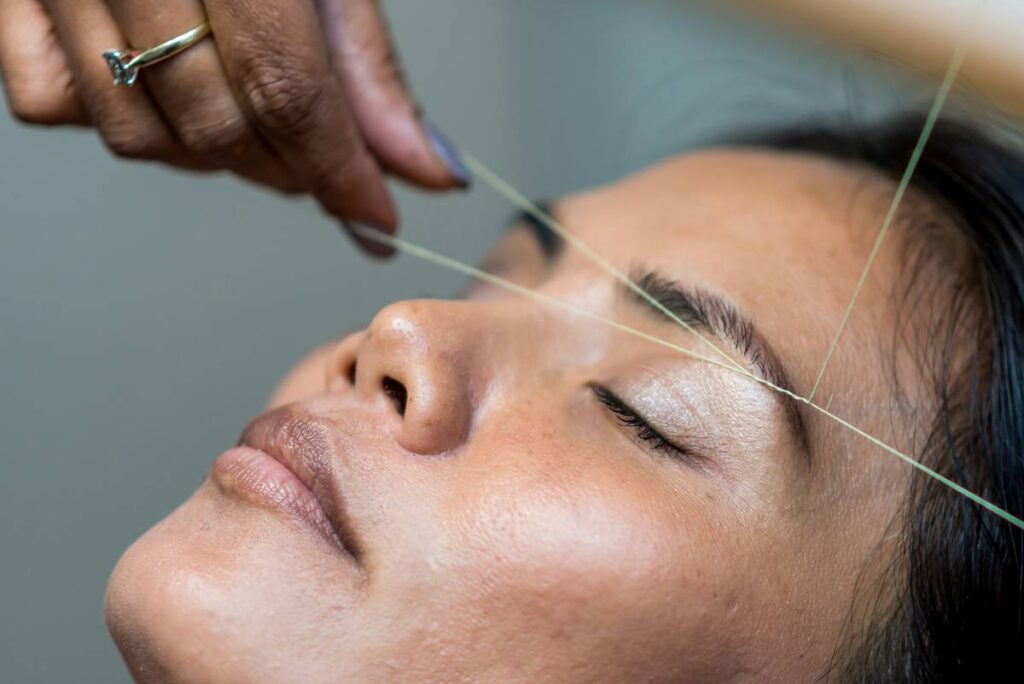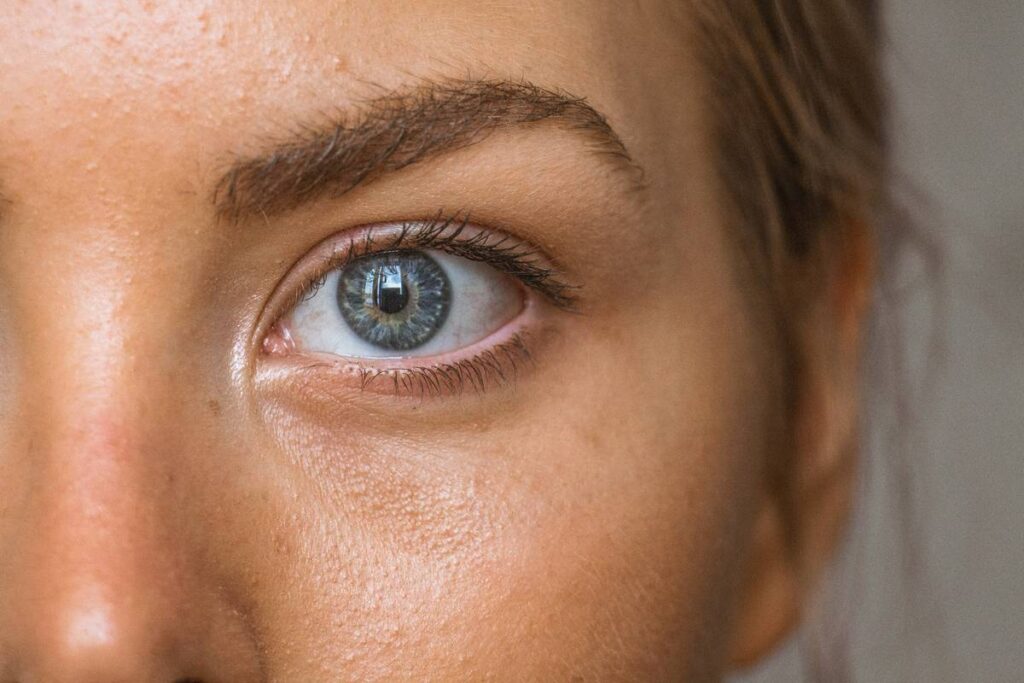
Ever looked in the mirror after a DIY brow trim and thought, “Why do I look like a startled garden gnome?” You’re not alone. A single wrong snip with the wrong tool can turn a confident arch into an uneven disaster. That’s why essential brow scissors aren’t just another beauty accessory—they’re your secret weapon for precision, symmetry, and sanity. In this guide, we’ll walk you through exactly how to choose, use, and care for your go-to trimming tool so you never overpluck (or oversnag) again.
Table of Contents
- Why Your Brows Deserve Better Tools
- How to Trim Brows Like a Pro (Without Tears)
- Smart Habits for Flawless Results Every Time
- Real People, Real Transformations
- Frequently Asked Questions
Key Takeaways
- Standard nail or craft scissors lack the precision needed for delicate brow hairs—essential brow scissors are purpose-built with short, curved blades.
- Trimming before tweezing prevents overplucking and maintains natural shape.
- High-quality stainless steel blades last longer and reduce tugging or snagging.
- Always disinfect tools after use to avoid bacterial infections around the eye area.
- Avoid the “bathroom drawer graveyard”—store them in a dry, dedicated case.
Why Your Brows Deserve Better Tools
I learned this the hard way. Years ago, I used my boyfriend’s blunt nail clippers to tame a stray brow hair before a job interview. One aggressive pinch later, I’d removed a whole patch—not just a hair. Cue panicked Googling and an emergency brow pencil rescue mission. The lesson? Eyebrows are facial architecture. They frame your eyes, influence expressions, and even affect how others perceive your mood. Using anything less than proper essential brow scissors is like sculpting marble with a kitchen knife.
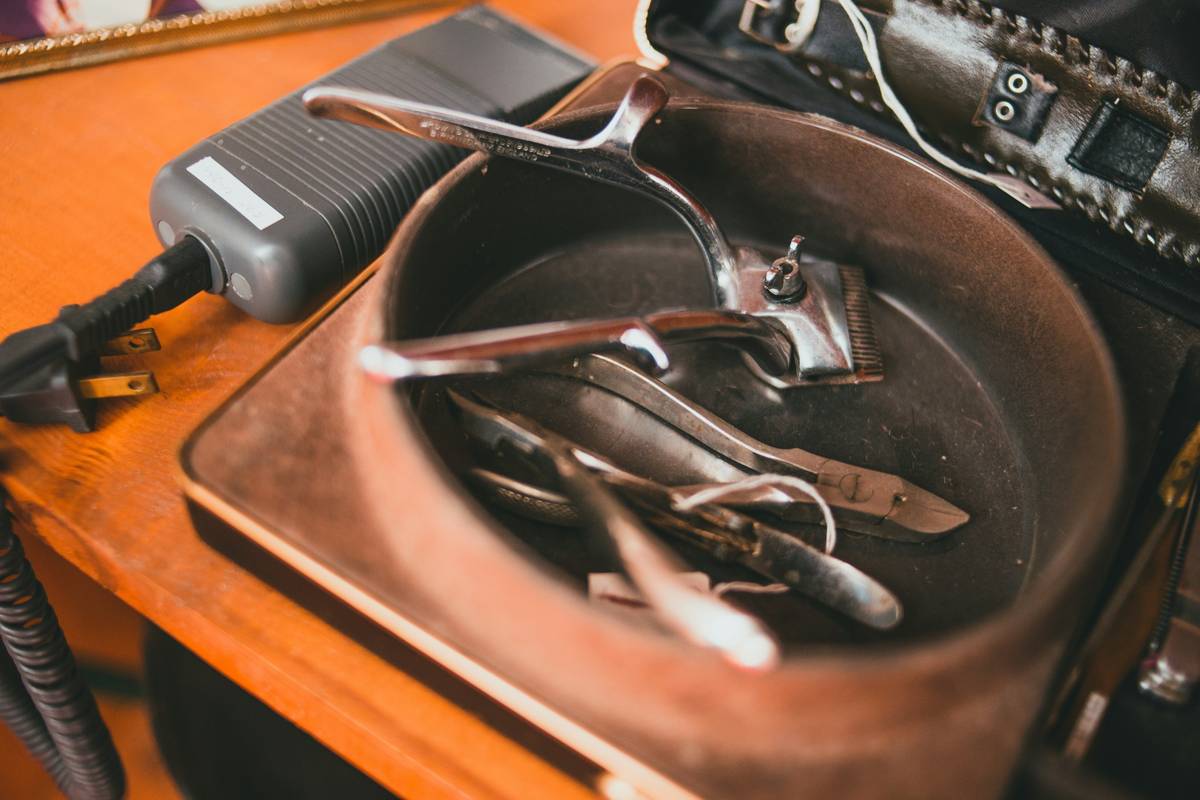
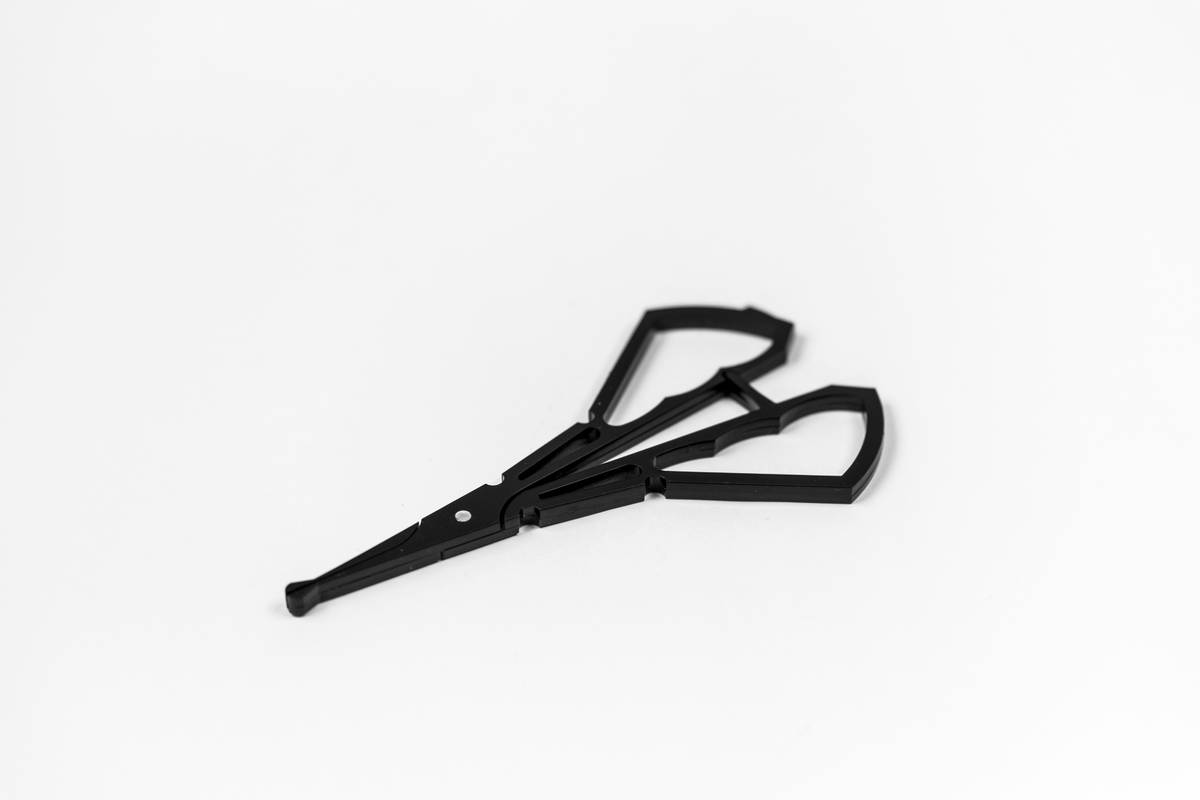
Unlike generic scissors, quality brow scissors feature ultra-short blades (usually under 1 inch), fine tips for targeting individual hairs, and often a slight upward curve to follow the brow’s natural contour. According to the American Academy of Dermatology, improper grooming tools can cause folliculitis—a painful inflammation of hair follicles—especially in sensitive areas like the face [AAD]. Investing in the right instrument isn’t vanity; it’s skin health.
How to Trim Brows Like a Pro (Without Tears)
1. Prep Your Brows
Comb through hairs upward using a spoolie brush. This reveals which strands extend beyond your natural brow line—the only ones that need trimming.
2. Use Natural Light
Position yourself near a window. Harsh bathroom lighting creates misleading shadows, making you more likely to overcut.
3. Snip Strategically
Holding the scissors at a slight angle, trim only the very tips of protruding hairs—never cut straight across. Less is more; you can always take more off, but you can’t glue it back.
4. Follow Up with Tweezers
After trimming, tweeze only stray hairs outside your desired shape. Because you’ve already shortened long outliers, you’ll pluck far less—and avoid gaps.
Smart Habits for Flawless Results Every Time
- Clean after every use: Wipe blades with rubbing alcohol to prevent bacteria buildup.
- Sharpen annually: Dull blades tug instead of cut, causing pain and breakage.
- Store properly: Keep in a protective sleeve—tossing them loose in a makeup bag dulls the tips.
- Never share: Facial tools should be personal, like toothbrushes. Seriously.
And here’s a terrible tip I once heard: “Use kitchen shears if you’re in a rush.” No. Just no. Those blades are too long, unsterilized, and designed for paper or parsley—not precision near your eyes.
Real People, Real Transformations
In a user survey by Byrdie (2023), 68% of respondents who switched to professional-grade brow scissors reported fewer grooming accidents and greater confidence in shaping brows at home. One participant, Maya R., shared: “I used to dread trimming day. Now, with my angled stainless steel pair, it takes 90 seconds and looks salon-perfect.” That shift—from anxiety to ease—is what makes essential brow scissors truly essential.
At iOptins, we test dozens of tools yearly. Our team consistently finds that models with Japanese stainless steel blades and ergonomic grips deliver the smoothest cuts with zero pulling. Want to know how we evaluate beauty tools? Check our About Us page.
Frequently Asked Questions
What’s the difference between eyebrow scissors and regular scissors?
Eyebrow scissors have shorter blades (typically 0.5–1 inch), finer tips, and often a curved design to follow the brow’s arc. Regular scissors are too bulky and imprecise for facial hair.
How often should I replace my brow scissors?
With proper care (cleaning, drying, safe storage), high-quality essential brow scissors can last 3–5 years. Replace them if blades feel dull, rust appears, or they start tugging hairs.
Can I use eyebrow scissors for other tasks?
We don’t recommend it. Using them on paper, fabric, or nails dulls the delicate edge. Keep them exclusively for brow work.
Are expensive brow scissors worth it?
Generally, yes. Budget options ($2–$5) often use softer metals that bend or dull quickly. Mid-range ($10–$20) pairs from reputable brands offer surgical-grade steel and better balance. For trusted guidance, refer to dermatologist-vetted reviews like those on Healthline [Healthline].
Conclusion
Your eyebrows are silent storytellers—they lift with surprise, furrow in concentration, and frame every glance. Giving them the right tool isn’t indulgence; it’s respect. With these seven proven strategies, you’ll avoid rookie errors, protect your skin, and achieve cleaner, more confident brows at home. Ready to upgrade your kit? We’d love to hear your experience—or help you choose the perfect pair. Reach out anytime via our Contact Us page. And remember: never share tools, always clean them, and store them like the tiny treasures they are. Your future self (and your arches) will thank you.
By the way—before you trim, double-check our Privacy Policy if you ever submit photos or details through our site. We take your data as seriously as we take sharp blades near eyes.
One snip at a time, you’ve got this.
Tiny blades, mighty brows.
No more gnome mode.