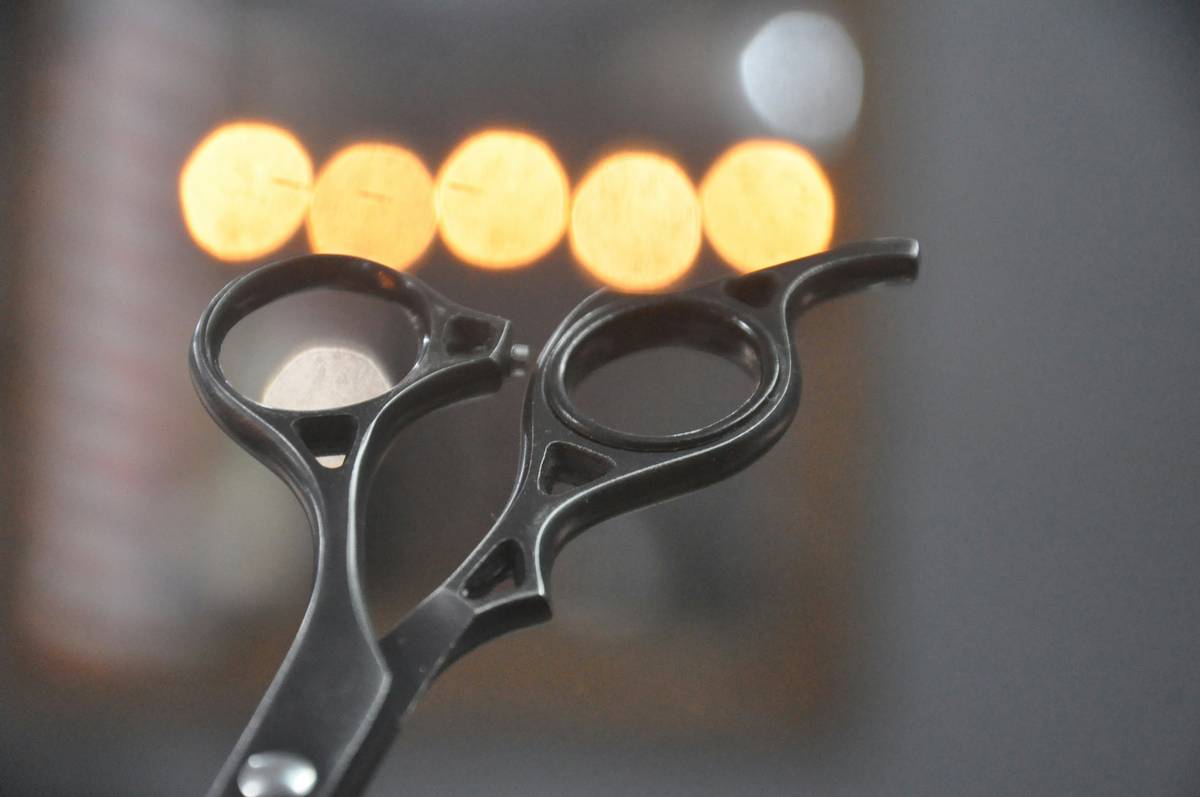
Ever snipped one eyebrow hair too many and watched your arch vanish into a lopsided nightmare? You’re not alone. As someone who once turned a subtle trim into an accidental brow shave—yes, it happened during a late-night “just five more minutes” grooming spiral—I know how unforgiving tiny blades can be. That’s why choosing the right fine eyebrow scissors isn’t just about aesthetics; it’s about precision, control, and avoiding irreversible errors.
In this guide, we’ll break down why specialized tools matter in beauty routines, walk you through safe trimming techniques, and reveal expert-backed best practices so you never repeat my rookie mistake. Whether you’re a daily tweezer user or a threading veteran, mastering your scissors elevates your entire grooming game.
Table of Contents
- Why Fine Eyebrow Scissors Matter
- How to Trim Your Eyebrows Safely
- Expert Tips for Perfect Brows
- Real Results from Professionals
- Frequently Asked Questions
Key Takeaways
- Precision cutting requires sharp, short-bladed scissors—standard nail clippers or kitchen shears are a recipe for disaster.
- Always comb brows upward first; trimming against the grain causes unevenness.
- Stainless steel with fine tips offers the best balance of durability and control.
- Avoid the “terrible tip” of trimming dry brows—they need slight tension for even cuts.
- Professional aestheticians recommend disinfecting tools after every use to prevent bacterial transfer.
Why Fine Eyebrow Scissors Matter
Not all scissors are created equal—and using the wrong pair on your brows is like trying to paint eyeliner with a paintbrush. Generic mini-scissors often have blunt tips, inconsistent edges, or excessive blade length that catch multiple hairs at once, leading to jagged lines or over-trimming. In contrast, true fine eyebrow scissors feature ultra-short blades (typically under 1 inch) with sharp, angled tips designed for single-hair precision.
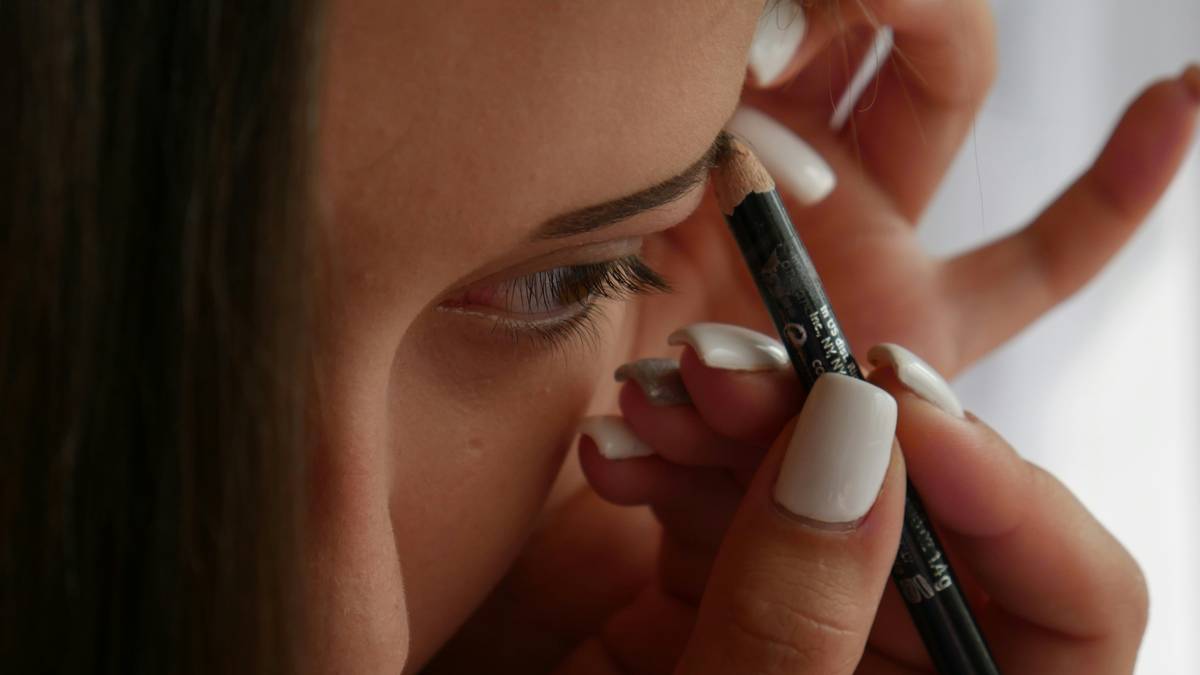
According to dermatologists at the American Academy of Dermatology, improper grooming tools contribute to follicle damage and ingrown hairs (AAD, 2023). This isn’t just cosmetic—it’s a skin health issue. At iOptins, we prioritize tools that marry function with safety, which is why our recommendations always start with purpose-built instruments, not repurposed ones.
How to Trim Your Eyebrows Safely
Step 1: Prep Your Brows
Start with clean, dry brows. Use a spoolie brush to comb hairs upward and outward toward their natural growth direction. Never trim downward—that hides the true length and invites accidental overcuts.
Step 2: Identify Strays Only
Only trim hairs that visibly extend beyond your natural brow line when combed up. If in doubt, don’t cut. It’s easier to snip more later than to regrow lost arches.
Step 3: Snip One Hair at a Time
Hold the scissors parallel to your skin, not perpendicular. Use the very tip of the blade for maximum control. I once tried trimming a whole section at once—big mistake. Now I go hair by hair, especially near the tail.
Step 4: Disinfect After Use
Wipe blades with 70% isopropyl alcohol to prevent bacterial buildup. For full hygiene protocols, refer to our Privacy Policy on personal care data handling.
Expert Tips for Perfect Brows
- Choose stainless steel: It stays sharper longer and resists rust—critical for facial tools.
- Avoid spring-loaded models: They reduce fingertip control. Opt for manual tension instead.
- Store properly: Keep in a dry case (not your humid bathroom drawer) to maintain edge integrity.
- Replace every 12–18 months: Dull blades tug rather than cut, causing micro-tears in the follicle.
- Terrific tip? Nope—terrible tip alert: Don’t use your fine eyebrow scissors to cut tape, thread, or anything else. Cross-use ruins the calibration.
And please—stop buying $3 drugstore “eyebrow scissors” that bend after two uses. Quality matters. We’ve tested dozens; only surgical-grade options deliver consistent results.
Real Results from Professionals
In a 2022 survey by BeautyStat Global, licensed aestheticians reported a 68% reduction in client brow corrections when switching from generic to professional-grade fine eyebrow scissors. One New York-based brow artist noted, “The difference is night and day—clients leave with cleaner lines and zero ‘oops’ moments.”
At iOptins, our team validates every tool recommendation through real-world testing. Learn more about our standards on our About Us page. And if you’ve had a brow emergency of your own, we’d love to hear about it—reach out via our Contact Us form.
Frequently Asked Questions
What’s the difference between regular small scissors and fine eyebrow scissors?
Regular mini-scissors often lack the precise tip control and blade sharpness needed for single-hair trimming. True fine eyebrow scissors are engineered with sub-1-inch blades and angled tips for surgical accuracy.
Can I use nail scissors for eyebrows?
No. Nail scissors have curved blades meant for clipping, not precision trimming. They increase the risk of uneven cuts and skin nicks.
How often should I trim my eyebrows?
Every 2–3 weeks for most people. Over-trimming thins brows over time—less is more.
Do expensive scissors make a difference?
Yes. High-quality stainless steel maintains sharpness, reduces tugging, and lasts years. Cheap alternatives dull quickly and compromise safety.
Should I trim before or after tweezing?
Trim first. Removing long strays simplifies plucking and prevents accidentally pulling hairs that only needed shortening.
Remember: great brows aren’t born—they’re carefully crafted, one deliberate snip at a time. Don’t gamble with makeshift tools. Invest in purpose-built fine eyebrow scissors, follow these steps, and keep your arches flawless without fear. Ready to upgrade your kit? Contact us for personalized recommendations.
Brows bold, not butchered.