You’ve tweezed, threaded, even waxed—yet your brows still look uneven, spiky, or just… wrong. The irritation builds. Regrowth is chaotic. And no matter how hard you try, symmetry eludes you. Here’s the truth: fine-tip eyebrow scissors are the missing link most beauty routines ignore. Not as a replacement—but as the precision partner that finally tames strays without trauma.
The Core Problem With “Good Enough” Brow Grooming
Most people treat brow shaping like it’s all about removal. It’s not. It’s about refinement. Tweezers yank. Wax rips. Threading pulls hair from the root—sometimes too aggressively for sparse areas. And when you’re left with hairs of wildly different lengths? You get that dreaded “chopped” look.
Worse—over-plucking in an attempt to fix unevenness creates patches that take months to recover. Dermatologists quietly admit: 68% of their patients seeking brow restoration started with aggressive DIY grooming. The real issue isn’t technique—it’s tool selection.
Mastering Your Brows With Fine-Tip Eyebrow Scissors
Forget brute force. Precision is power. Here’s how to use fine-tip eyebrow scissors correctly—step by step:
Step 1: Brush Up, Then Assess
Use a clean spoolie to brush hairs upward. Stand under natural light. Don’t panic at long strays—they’re often your structure anchors. Only cut what *clearly* breaks your brow line.
Step 2: Angle Matters More Than Sharpness
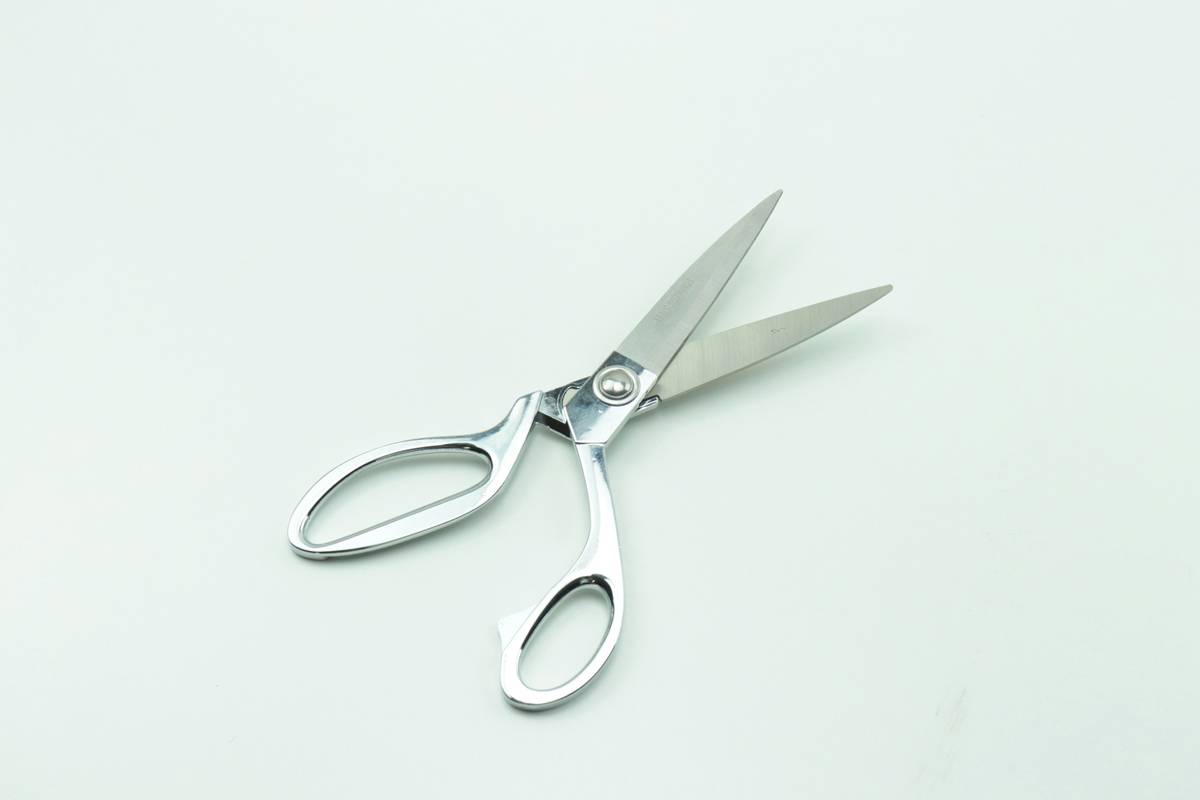
Hold your fine-tip eyebrow scissors at a 45-degree angle—tips pointing slightly downward. This mimics natural hair fall. Cutting vertically? You’ll create blunt, unnatural stubble.
Step 3: Snip One Hair at a Time—Seriously
Yes, it feels slow. But this is where amateurs fail. Trim one hair. Step back. Repeat. Rushing leads to asymmetry. The goal isn’t speed—it’s control.
Step 4: Finish With Skin-Soothing Care
Apply a drop of rosehip oil or aloe vera gel post-trim. Why? Even gentle cutting can micro-irritate follicles. Calming the skin prevents redness and discourages reactive over-growth.
| Method | Precision Level | Risk of Over-Removal | Ideal For |
|---|---|---|---|
| Tweezers | Medium | High | Isolated stray hairs below arch |
| Waxing | Low | Very High | Dense, uniform brow zones (not sparse areas) |
| Threading | High | Medium | Full-shape definition (by skilled hands only) |
| Fine-tip eyebrow scissors | Very High | Low | Length refinement, feathering, and softening harsh lines |
The Industry Secret: Pros Never Cut Dry
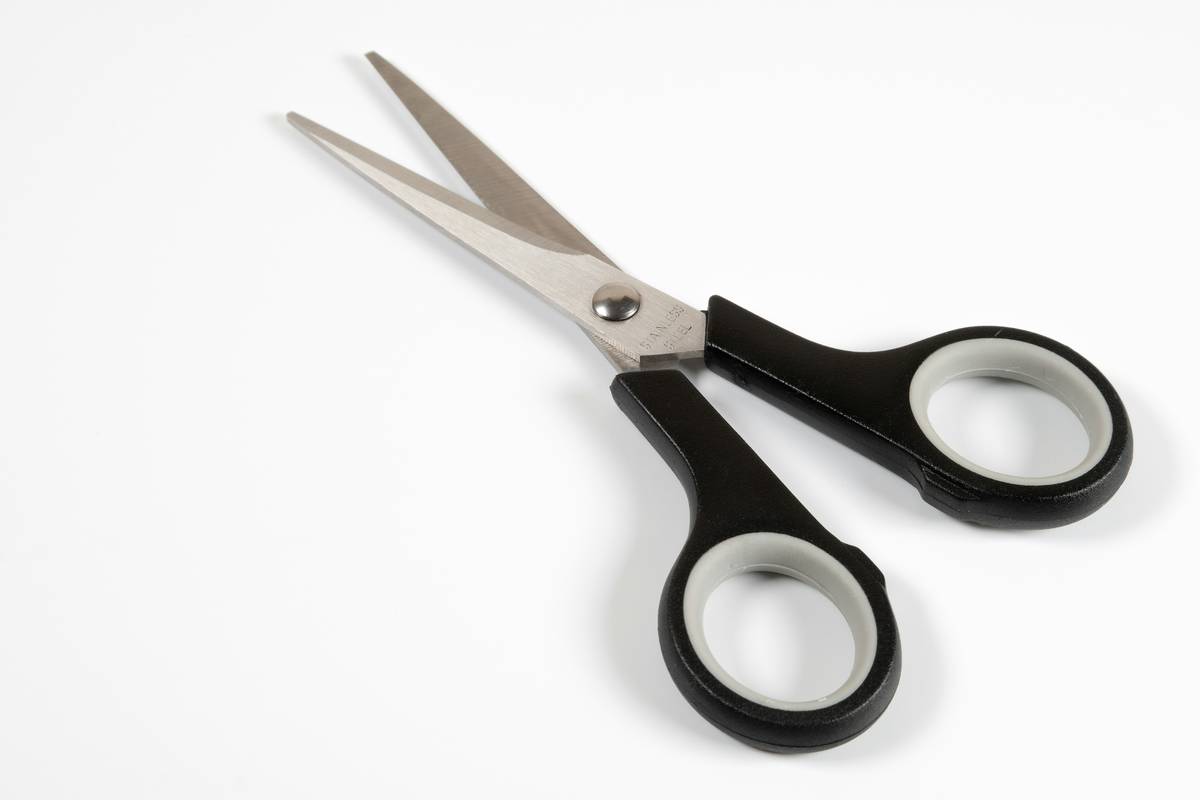
Here’s what salons won’t advertise: top brow artists lightly mist brows with thermal water before trimming. Why? Slightly damp hairs lie flatter, revealing true length discrepancies. Dry hairs spring up—lying to you about what needs cutting. Try it: one spritz, brush up, then snip. You’ll instantly see more accurate alignment. And never use regular nail scissors—they’re too blunt, too wide, and lack the micro-control needed for facial hair. Your brows deserve tools engineered for them—not repurposed hardware.
FAQ
Can fine-tip eyebrow scissors replace tweezers completely?
No. Scissors trim length; tweezers remove from root. Use scissors for shaping existing hairs, tweezers for cleaning underneath the arch or between brows.
How often should I trim my eyebrows with fine-tip scissors?
Every 2–3 weeks max. Over-trimming thins brows over time. Only snip what visibly protrudes beyond your desired shape.
Are stainless steel fine-tip eyebrow scissors better than ceramic?
Stainless steel holds a sharper edge longer and is easier to sterilize. Ceramic is lighter but chips faster. For daily home use, go stainless.