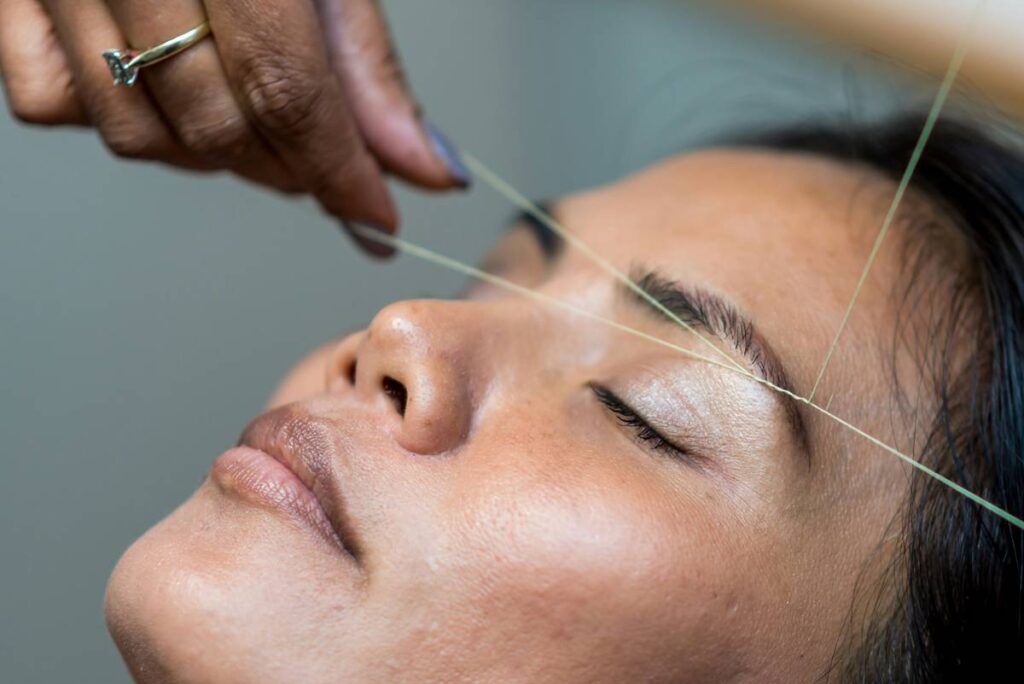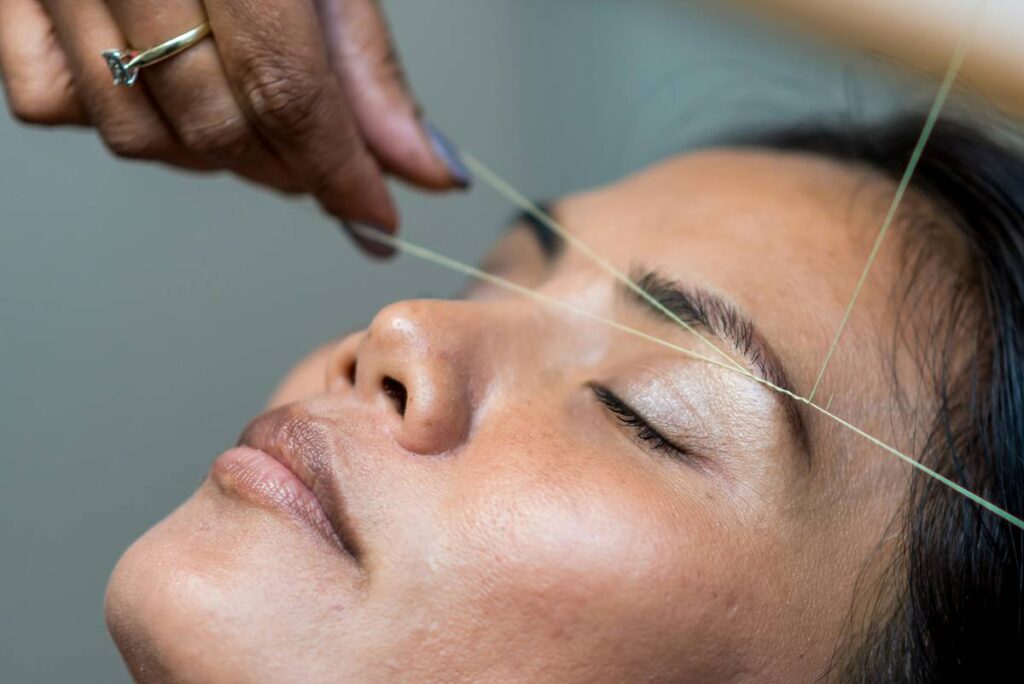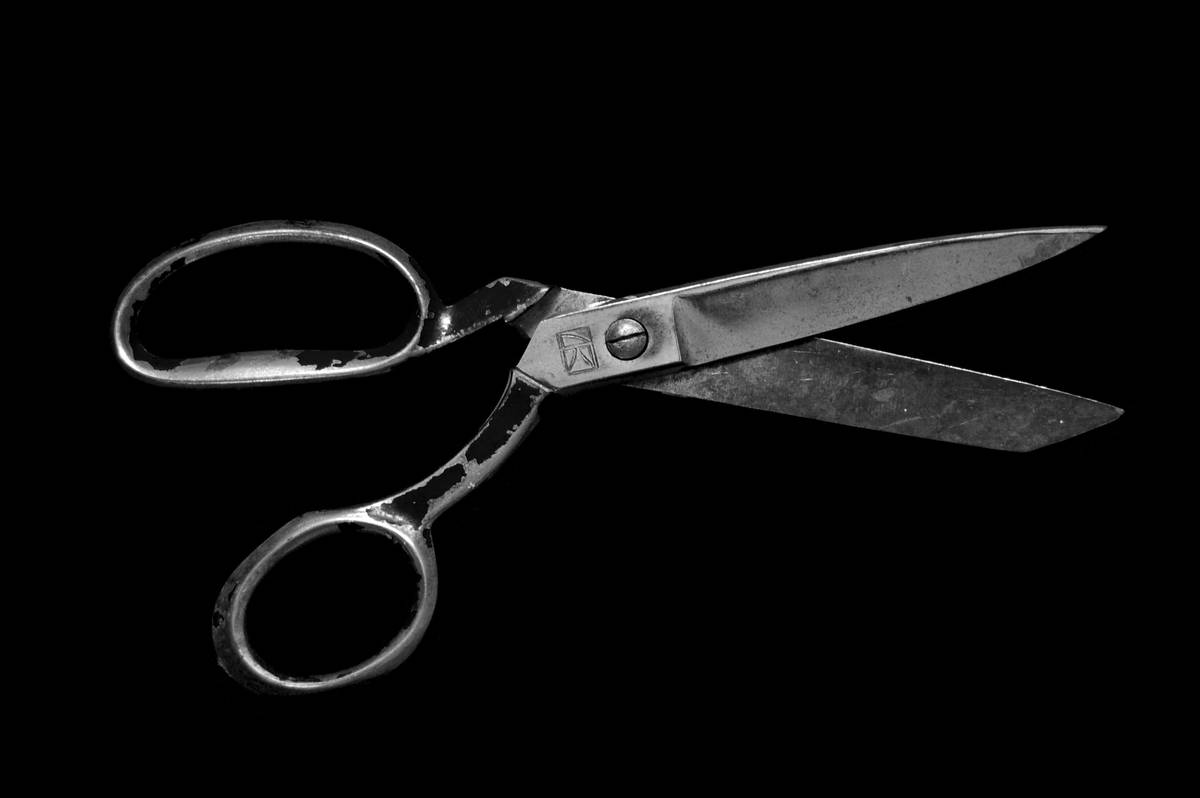
Fuzzy, overgrown brows ruin facial symmetry—even with perfect makeup. Tweezing alone leaves gaps. Waxing tugs hair from the root but misses fine strays. And most people skip trimming entirely, assuming it’s “optional.” Big mistake. The real fix? A pair of high-quality eyebrow scissors. Not just any tiny snips—precision instruments designed for millimeter-level control. Here’s why they’re non-negotiable.
Why Most Brow Grooming Fails (And What Actually Works)
People treat brows like an afterthought. They tweeze haphazardly, pluck too much, or rely on spoolies that just push chaos around. The result? Brows that look sparse in some spots and bushy in others. Worse—they grow back uneven because the underlying structure was never trimmed evenly to begin with.
And no—nail clippers or craft scissors won’t cut it. Literally. Their blades are too thick, too blunt, or too long. You risk snipping entire sections by accident. Eyebrow scissors solve this with ultra-fine, angled tips built for single-hair edits.
How to Trim Your Brows Like a Pro (Step-by-Step)
Forget guesswork. This method takes 90 seconds and gives salon-level neatness at home.
Prep Your Brows Correctly
Brush upward with a clean spoolie. Identify hairs that extend past your natural brow line. Don’t wet them—dry hair shows true length. Wet strands shrink as they dry, leading to over-trimming.
Use the Right Scissors (Not Just Any “Small” Ones)
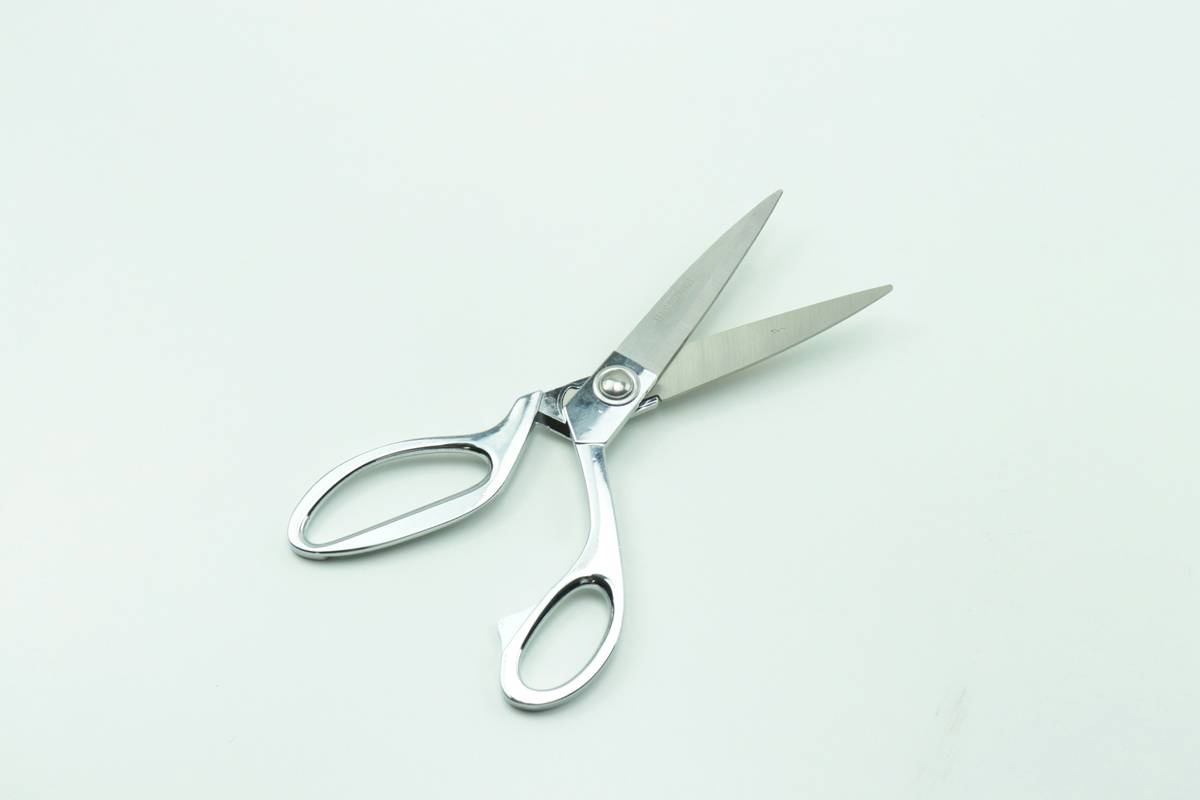
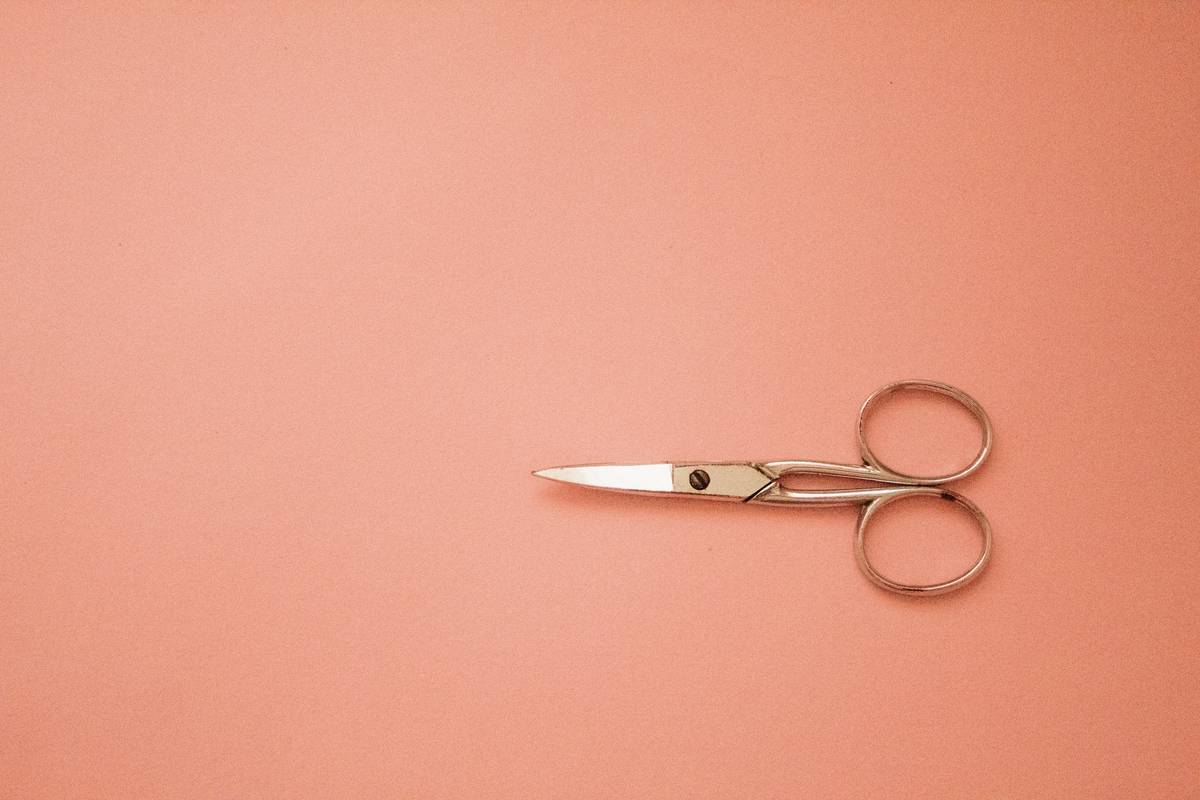
True eyebrow scissors have blades under 1 inch, sharp enough to slice a single strand cleanly without pulling. Look for stainless steel with a slight upward curve—that lets you see exactly where you’re cutting.
Cut Strategically, Not Aggressively
Snip only the tips. Never shear across the entire brow. Hold the scissors vertically and trim protruding ends one at a time. Less is more. You can always take more—but you can’t glue hair back on.
| Tool Type | Precision Level | Risk of Damage | Ideal For |
|---|---|---|---|
| Dedicated eyebrow scissors | ★★★★★ | Very Low | Fine-tuning shape, trimming strays |
| Nail clippers | ★☆☆☆☆ | High | Not recommended—crushes hair |
| Craft scissors | ★☆☆☆☆ | Extreme | Avoid—blades too long, dull tips |
| Tweezers alone | ★★★☆☆ | Medium | Removing full hairs—not shaping length |
The Industry Secret: Salons Hide This Trick
Here’s what estheticians won’t tell you: they rarely tweeze first. Instead, they trim before plucking. Why? Long, unruly hairs hide the true brow architecture. Once you snip those strays down, the natural arch and tail reveal themselves—making tweezing precise and minimal. Most at-home users do it backward: pluck blindly, then realize they’ve gone too far, then try to “fix” it with pencils. The math is simple—trim first, shape second. It reduces hair trauma, prevents ingrowns, and extends regrowth cycles. Yet 9 out of 10 drugstore kits still bundle tweezers with useless mini-scissors that bend after two uses.
Frequently Asked Questions
Can regular small scissors work as eyebrow scissors?
No. Regular mini-scissors lack the fine, angled tips needed for safe, precise trimming—risking uneven cuts or skin nicks.
How often should I trim my eyebrows?
Every 2–3 weeks. Trimming controls length without affecting density—unlike plucking, which thins brows over time.
Do eyebrow scissors pull hair when cutting?
Not if they’re sharp and designed properly. Dull or poorly made ones tug; quality stainless steel blades slice cleanly on contact.