Most people butcher their brows with dull tweezers or overzealous razors—then wonder why they look uneven by noon. The real problem? They’re using the wrong tools for fine, structural work. Enter brow styling scissors: tiny, precise, and brutally effective when used right.
Why Your Current Brow Routine Is Setting You Up to Fail
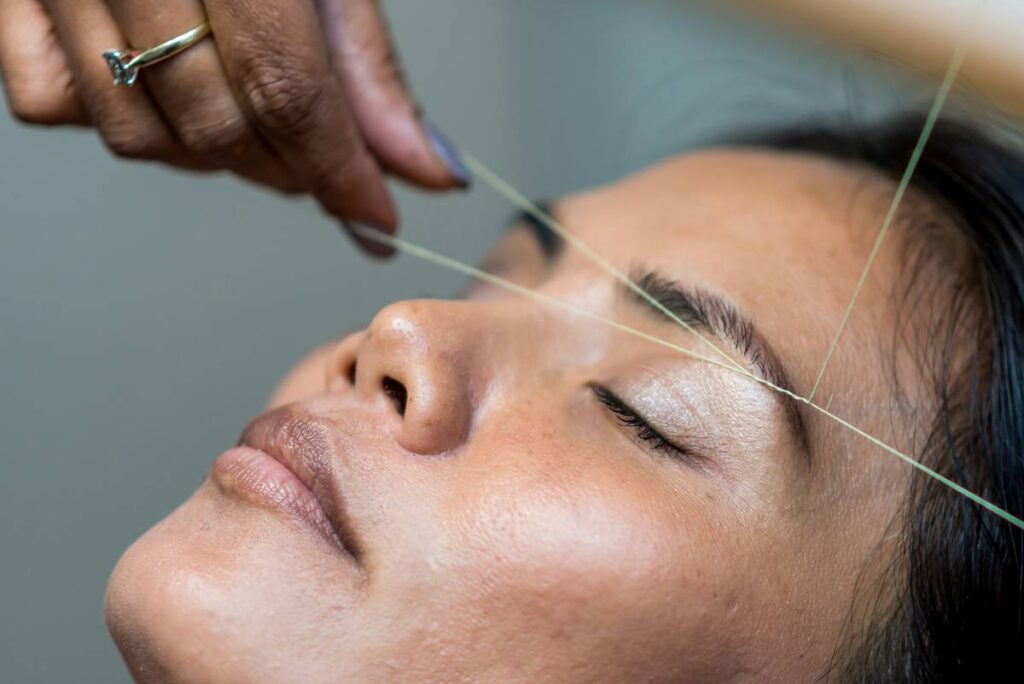
Tweezing alone creates patchiness. Waxing stretches delicate skin. Threading? It’s inconsistent unless you’ve got a decade of practice. And those dual-ended “brow shapers” with a spoolie on one end and blunt nippers on the other? Useless theater. They lack the micro-blade geometry needed to snip stray hairs without yanking or crushing them.
Here’s the reality: eyebrows aren’t just hair—they’re architectural framing for your entire face. One misplaced pluck throws off symmetry. But most consumers buy tools based on packaging, not metallurgy.
How to Actually Use Brow Styling Scissors Like a Pro
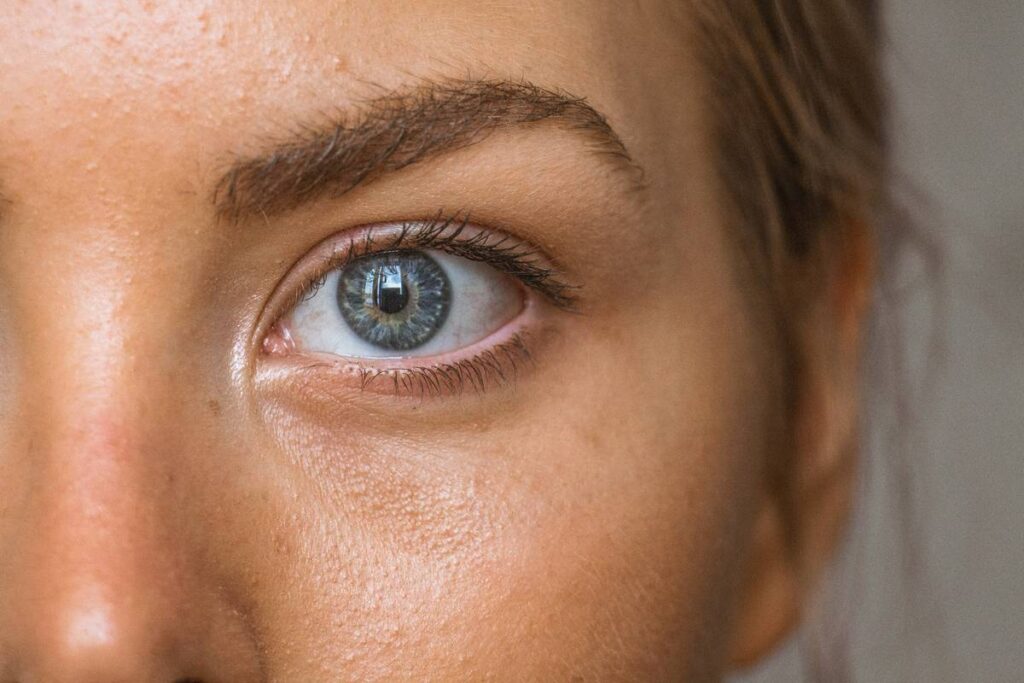
Forget “trimming.” This isn’t about hacking length. It’s about sculpting light, shadow, and negative space. Do it wrong, and you’ll trigger a 6-week grow-out panic. Do it right, and your arches look lifted—even without makeup.
Step 1: Prep with Tension Control
Never cut dry, loose hairs. Brush brows upward with a clean spoolie, then use your finger to hold the brow taut against the orbital bone. Loose skin = accidental snips.
Step 2: Target Only the Obvious Strays
Focus on hairs that extend beyond your natural brow line—especially at the tail and under the arch. Ignore everything else. Over-trimming creates a “drawn-on” look. Less is more. Always.
Step 3: Angle Matters More Than Sharpness
Hold scissors parallel to your brow bone—not perpendicular. A 15-degree tilt lets you graze only the protruding tips. Vertical cuts leave blunt ends that stick straight out like porcupine quills.
| Method | Precision Level | Risk of Damage | Ideal For |
|---|---|---|---|
| Brow styling scissors | High (micro-adjustments) | Low (if angled correctly) | Refining shape, cleaning tail, subtle lifts |
| Tweezing | Medium | Medium (follicle trauma) | Removing full hairs below the brow line |
| Waxing | Low | High (skin stretching, redness) | Quick removal—but destroys long-term structure |
| Threading | Variable | Medium (depends on technician skill) | Coarse reshaping—not maintenance |
The Industry Secret: Not All “Brow Scissors” Are Created Equal
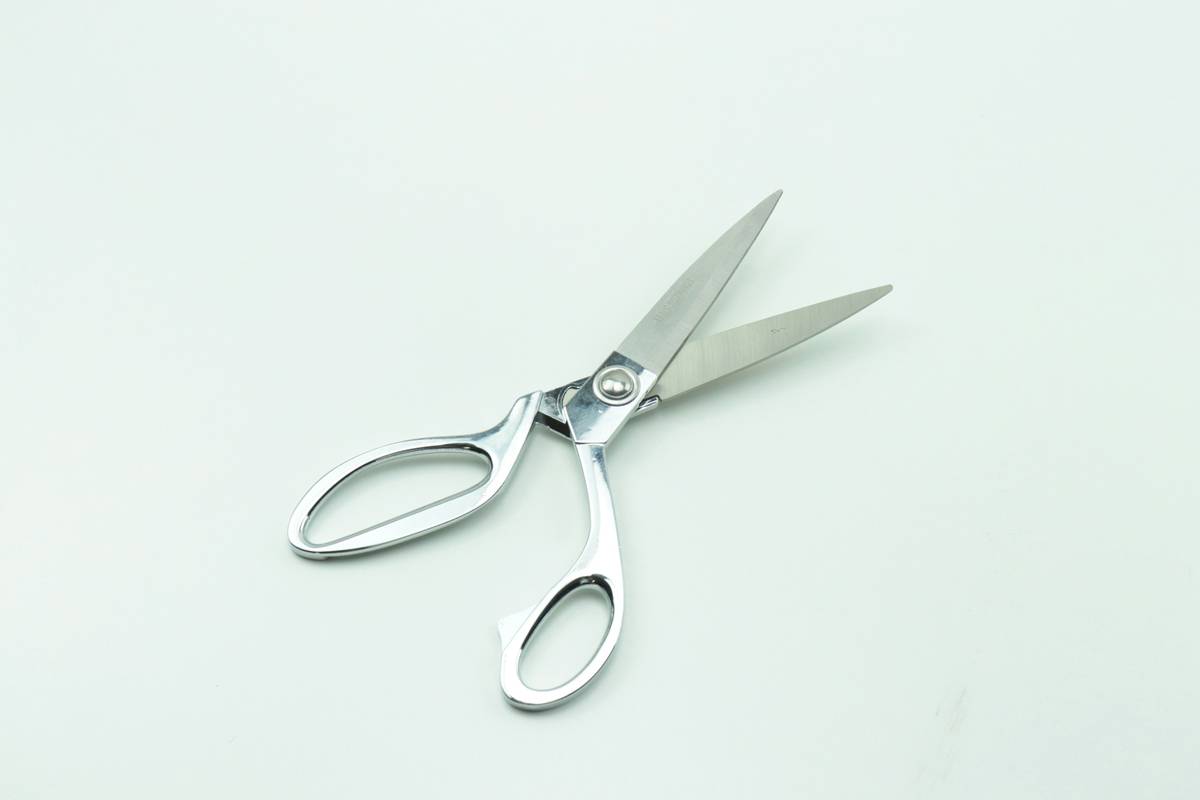
Here’s what beauty brands won’t tell you: most drugstore “eyebrow scissors” are repurposed nail clippers with rounded tips glued on. Real brow styling scissors have offset blades—like miniature surgical shears—so the lower blade glides flush against skin while the upper blade does the cutting. That design prevents pinching and allows single-hair accuracy.
And stainless steel grade matters. Look for 410 or 420J2—not generic “stainless.” Cheap alloys dull after three uses. But—and this is critical—sharpness alone isn’t enough. The pivot tension must be firm enough to prevent wobble but loose enough for fluid motion. Test by opening and closing slowly; it should feel like turning a luxury watch crown.
Frequently Asked Questions
Can I use regular scissors to trim my eyebrows?
No. Regular scissors lack the short, aligned blades needed for millimeter-level control. You’ll likely cut too deep or create jagged ends. Brow styling scissors are engineered for facial hair’s unique texture and growth pattern.
How often should I trim my brows with brow styling scissors?
Every 2–3 weeks max. Over-trimming thins the tail and disrupts your natural gradient. Only snip what visibly protrudes—never “just in case.”
Are curved or straight brow scissors better?
Straight blades win. Curved versions force unnatural wrist angles and obscure your view. Precision demands visibility and neutral hand positioning—both compromised by curvature.