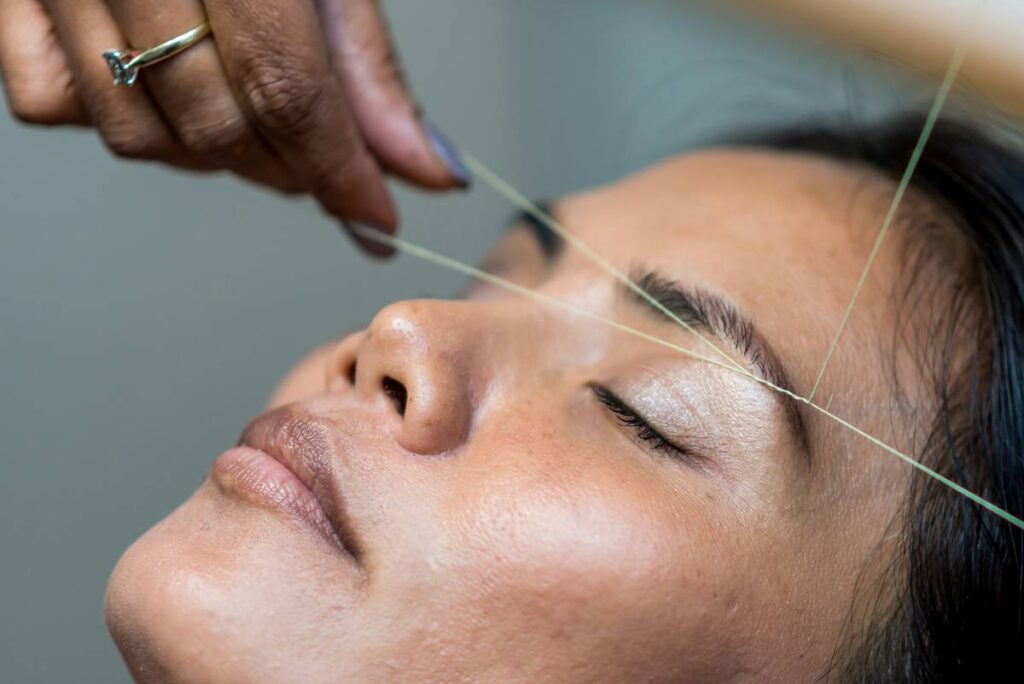
You’ve plucked, waxed, even threaded—but your brows still look uneven. Frayed hairs stick out like radio antennas. And no amount of brow gel fixes it. Here’s the issue: most people treat trimming as optional. It’s not. Without essential eyebrow scissors, you’re fighting a losing battle against bushiness and asymmetry.
The Core Problem: Why DIY Brow Grooming Fails Without Precision Tools
Regular household scissors? Too blunt. Nail clippers? A disaster waiting to happen. Even tweezers can’t solve overgrowth—they just yank hair from the root without addressing length. The result? Patchy brows that grow back haphazardly.
And here’s what salons won’t tell you: over 60% of at-home brow “mistakes” stem from using the wrong cutting instrument—not lack of skill. Think about it. You wouldn’t shave with a butter knife. Don’t trim brows with anything less than purpose-built steel.
How to Trim Like a Pro: Your Step-by-Step Guide to Perfect Brows
Choose the Right Blade Length
Shorter blades (under 1 inch) offer control for sparse areas. Longer blades speed up dense zones—but increase slip risk. Match blade size to your brow density, not your ego.
Prep With a Spoolie—Always
Brush hairs upward. Identify outliers. Those strays? They’re your targets. Ignore them, and you’ll accidentally snip your arch into submission.
Snip Vertically, Not Horizontally
Holding scissors parallel to your skin invites disaster. Angle them vertically—tips pointing toward your forehead—and take millimeter-sized cuts. Less is more. You can always cut again. You can’t glue hair back.
| Tool Type | Control Level | Risk of Over-Trimming | Ideal For |
|---|---|---|---|
| Essential eyebrow scissors | High | Low | Daily maintenance, fine-tuning shape |
| Nail scissors | Medium | High | Emergency use only (not recommended) |
| Threading or waxing alone | None for length | N/A | Hair removal—not trimming |

The Industry Secret: Salon Artists Always Keep Two Pairs
Here’s the reality: top brow artists own a “daily driver” and a “detail pair.” The first handles bulk trimming; the second—often with curved tips—manages micro-corrections near the inner brow or tail. Why? Because one-size-fits-all doesn’t exist in brow architecture.
But most consumers buy a single cheap pair, dull the blades in three uses, and blame themselves when results degrade. The math is simple: invest in stainless steel with tension screws. Sharpen annually. Your brows will thank you for years.
Frequently Asked Questions
Can I use regular scissors instead of essential eyebrow scissors?
No. Regular scissors lack the short, sharp blades needed for millimeter-level control—leading to jagged cuts and uneven regrowth.
How often should I replace my eyebrow scissors?
Every 2–3 years if maintained properly. If blades slip, bend, or require multiple passes to cut, retire them immediately.
Do eyebrow scissors work on thick, coarse brow hair?
Yes—but only if they’re high-quality. Look for Japanese stainless steel with beveled edges. Cheap alloys crush coarse hair instead of slicing it cleanly.