Struggling with unruly, overgrown brows that make you look perpetually surprised—or worse, unkempt? You’re not alone. Millions grab tweezers or generic scissors and end up with gaps, uneven arches, or accidental bald spots. The solution isn’t more products—it’s the right brow trimming tool, used with surgical precision.
Why Your Current Brow Maintenance Routine Is Sabotaging You
Most people treat brow grooming like a quick cleanup—snip here, pluck there, hope for the best. But eyebrows aren’t weeds. They’re delicate architectural features that frame your entire face. Using blunt nail clippers? You’re crushing hairs instead of cutting them—leading to split ends and faster regrowth. Tweezing alone? You’re removing pigment-rich hairs permanently while ignoring the longer, lighter ones that actually cause the “fuzzy” look.
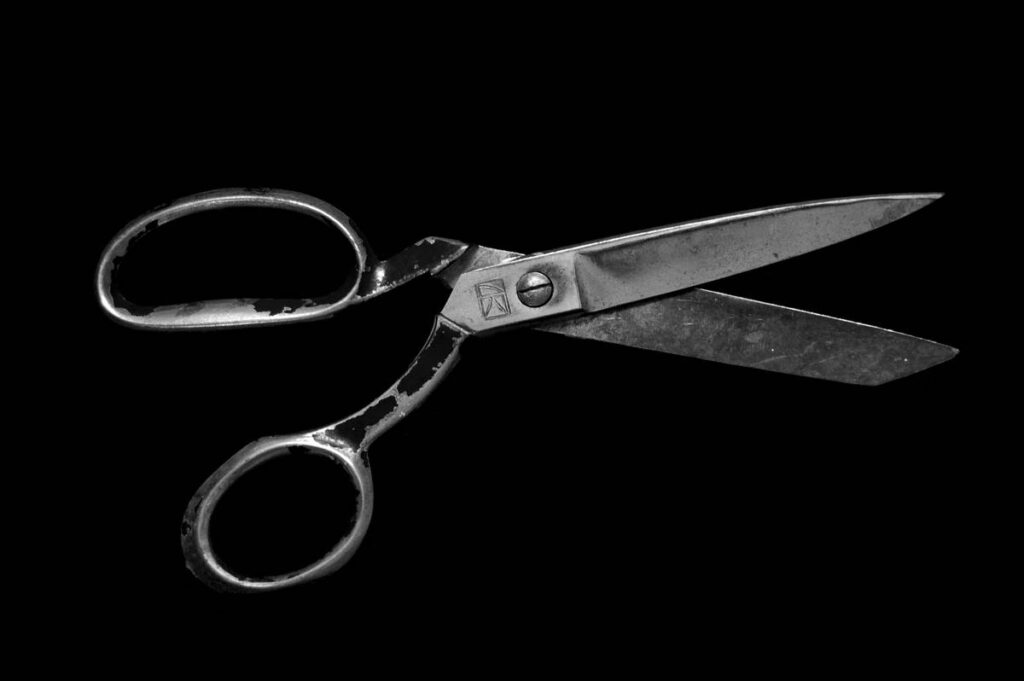
And drugstore “eyebrow scissors”? Often just miniature versions of craft scissors—with wide blades, dull tips, and zero control. One slip, and you’ve sheared off your tail. The result? A lifetime of pencil-filling regret.
Mastering the Brow Trimming Tool: A Step-by-Step Protocol
Forget guesswork. Precision brow shaping follows a repeatable system—not an Instagram hack. Here’s how professionals do it:
Prep Like a Pro (Not a Passenger)
Start with clean, dry brows. Oily or damp hairs bend unpredictably under blades. Brush upward with a spoolie to reveal true length discrepancies. Identify only the hairs protruding beyond your natural brow line—those are your targets. Everything else stays.
Angle Matters More Than Sharpness
Hold your brow trimming tool vertically—not horizontally. Horizontal snipping flattens the brow’s 3D structure. Vertical cuts preserve dimension while shortening stray hairs flush with surrounding strands. Keep the tip pointed away from skin. Always.
Less Is More—Seriously
Cut one hair at a time. Seriously. Not a “quick sweep.” If you’re tempted to trim three at once, stop. Patience prevents panic-plucking later. And never cut below the brow bone—that hair defines your lower arch. Lose it, and symmetry vanishes.

| Method | Precision | Risk of Damage | Longevity of Results |
|---|---|---|---|
| Nail Clippers | Low | High (crushed follicles, jagged ends) | 2–3 days |
| Drugstore Eyebrow Scissors | Medium | Medium (slippage, uneven cuts) | 4–5 days |
| Dedicated Brow Trimming Tool | High | Low (with proper technique) | 7–10 days |
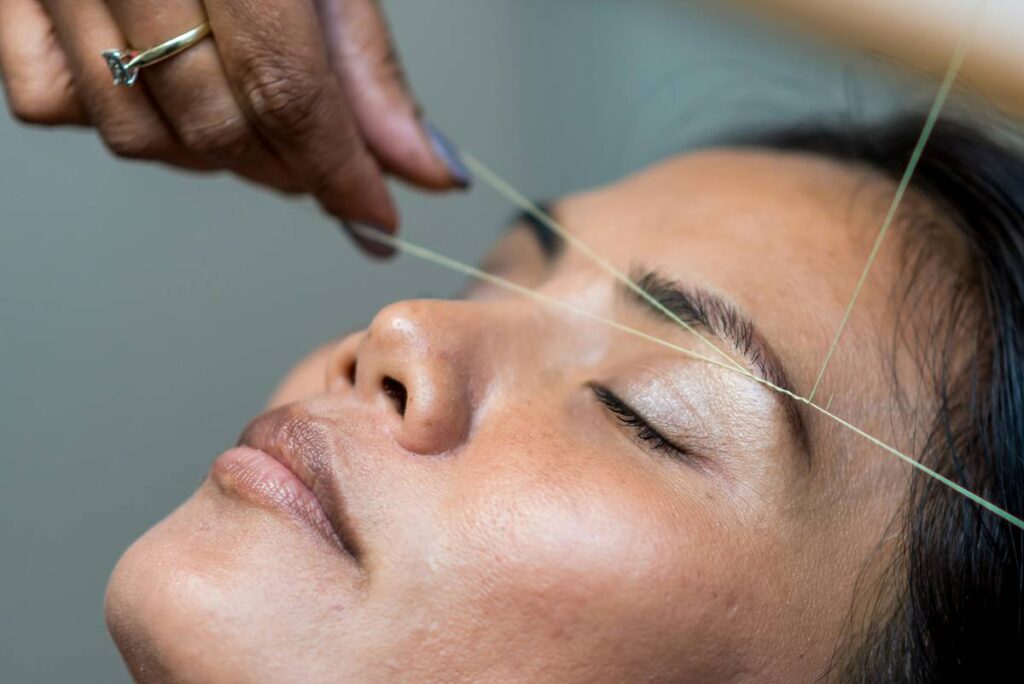
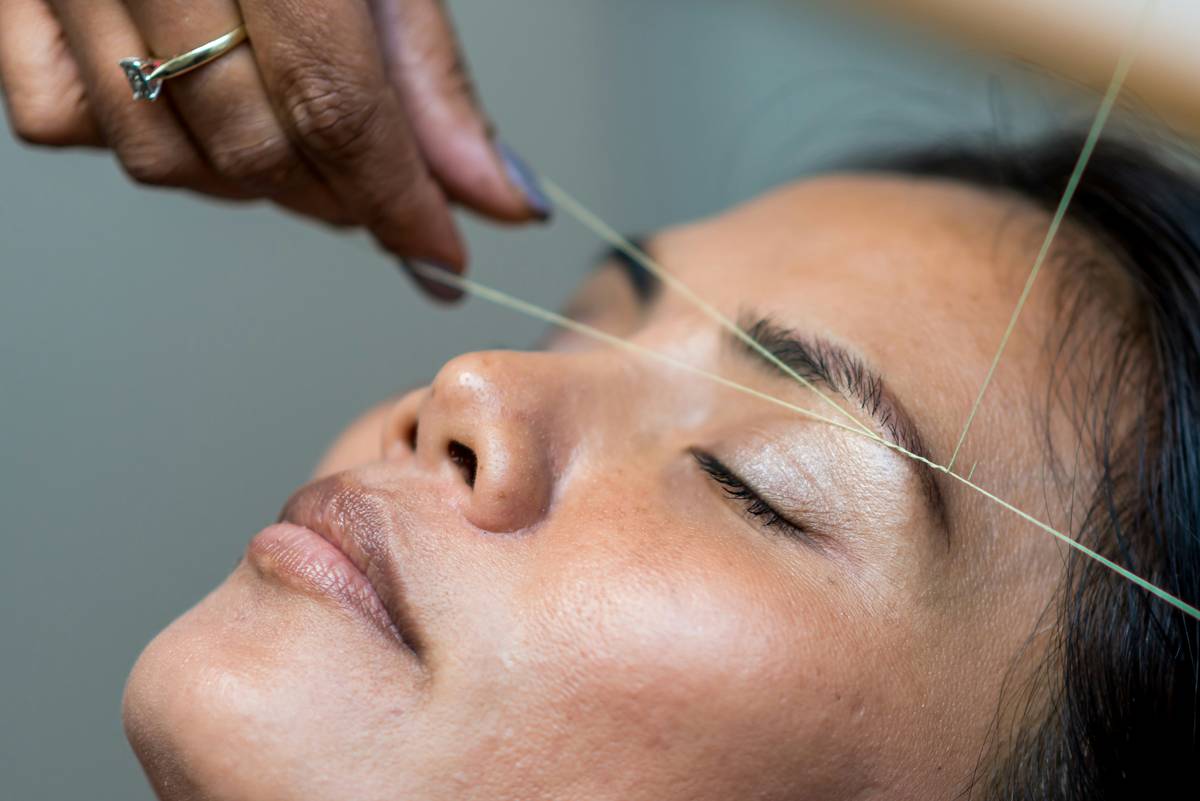
| Threading + Light Trimming | Very High | Low (if done by expert) | 10–14 days |
The Industry Secret: Pros Don’t Trim to Shape—They Trim to Reveal
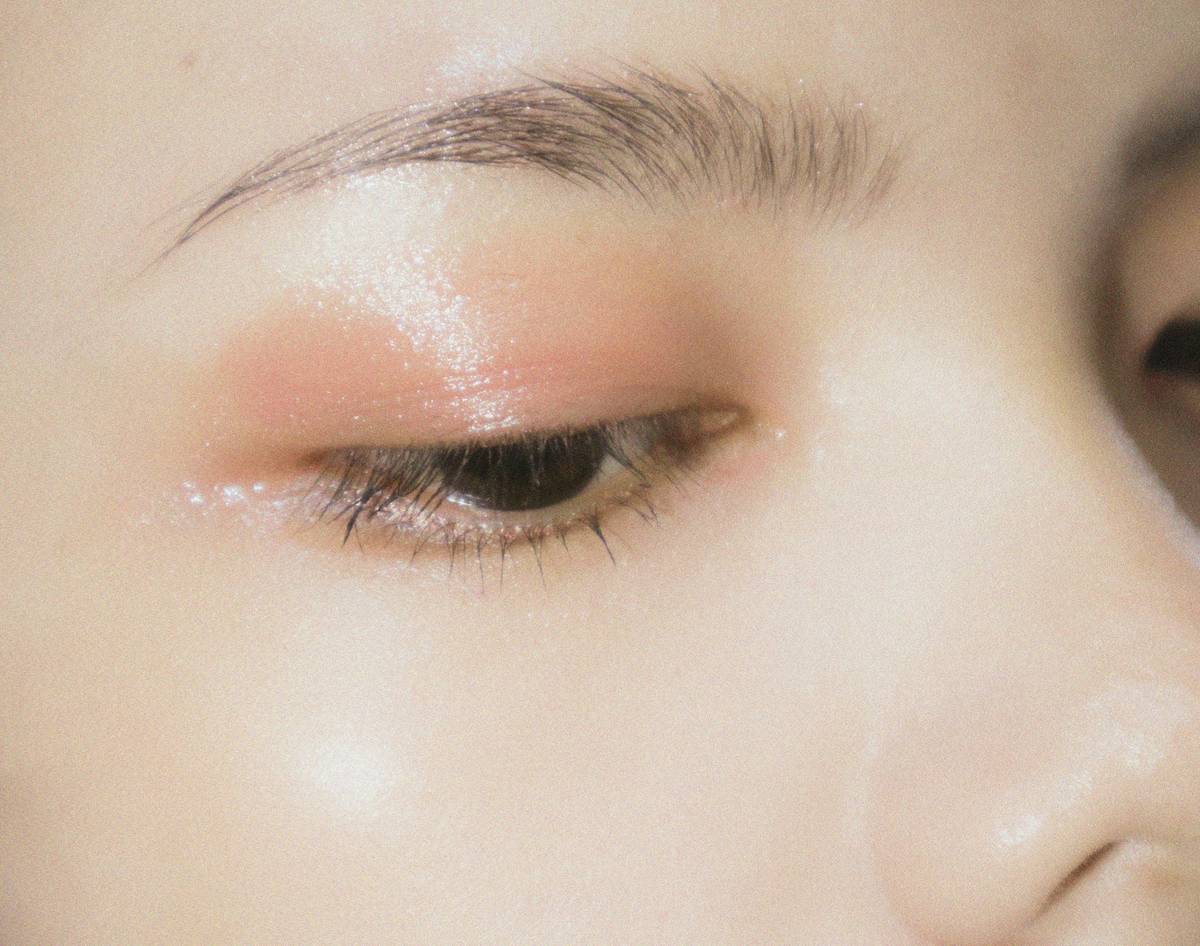
Here’s what salons won’t tell you: trimming is never about creating shape. It’s about revealing what’s already there. Your brow has a genetically determined blueprint—arch, tail, density. Over-trimming distorts that blueprint. The real magic happens when you remove only the visual noise: those few millimeters of stray growth that obscure your natural form. Think of it like dusting a sculpture. You’re not carving—you’re uncovering. And that requires a blade fine enough to respect biology, not override it. That’s why high-end brow bars use micro-bladed trimming tools with 12mm curved tips—they follow the hair’s exit angle from the follicle. Most consumers buy “scissors” that are too long, too straight, too aggressive. Wrong tool, wrong outcome.
Frequently Asked Questions
Can I use regular scissors as a brow trimming tool?
No. Regular scissors lack the precision tip and short blade needed for facial hair. You risk cutting too much or nicking skin.
How often should I use a brow trimming tool?
Every 7–10 days. Hair grows in cycles—trimming too often weakens follicles; too rarely invites chaos.
Do brow trimming tools work on thick, coarse eyebrows?
Yes—but only if the blades are sharp and stainless steel. Dull tools bend coarse hairs instead of slicing cleanly.