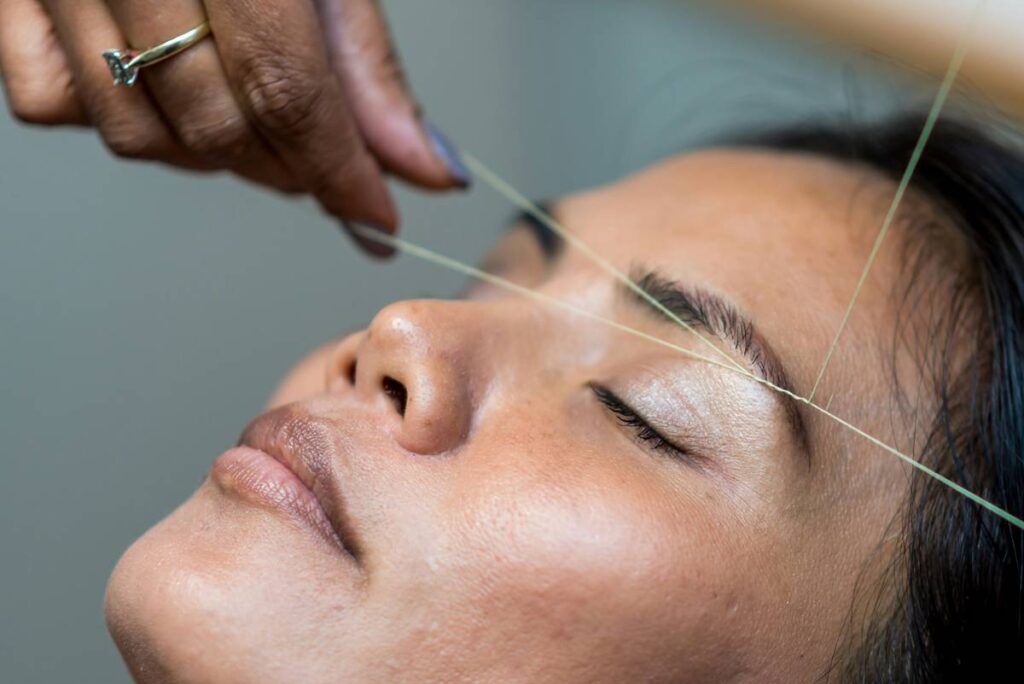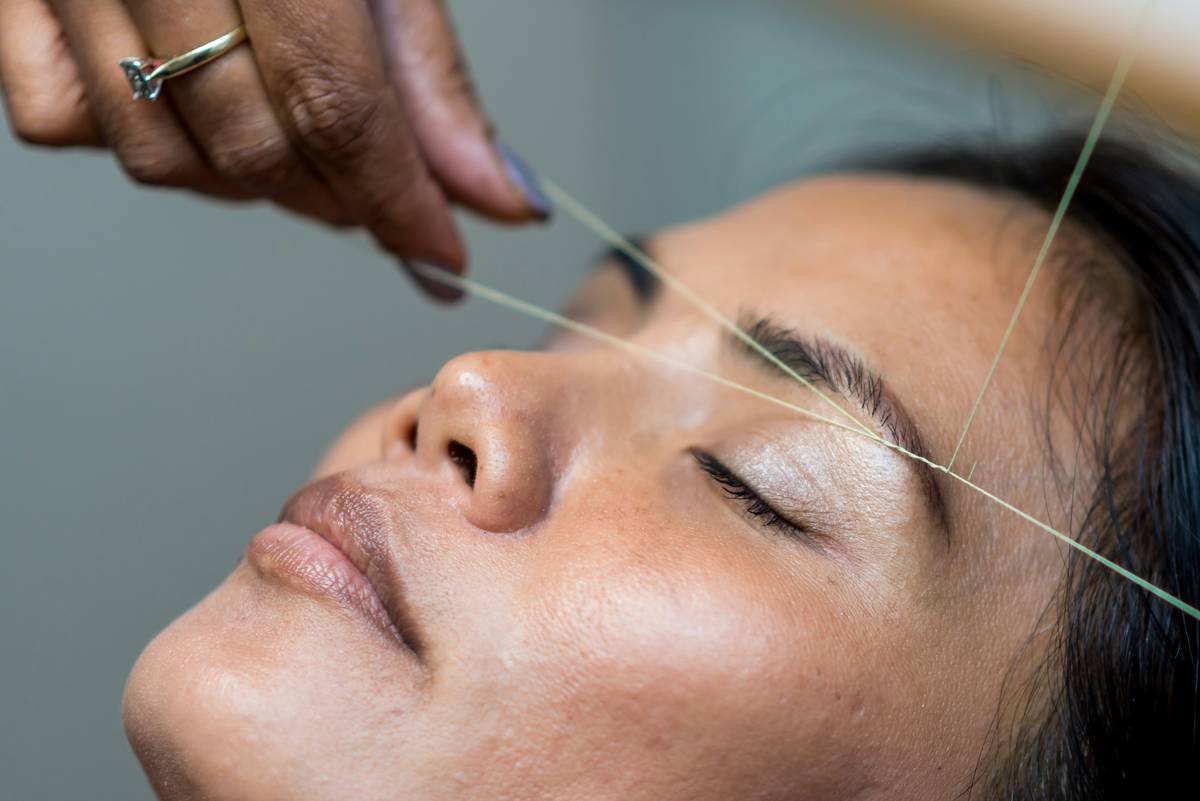
Most people ruin their brows before they even realize it. Snipping with dull nail clippers. Tugging with tweezers meant for splinters. Or worse—trusting a $3 “brow kit” from a gas station. The result? Patchy arches, uneven tails, and that awkward “halfway grown out” look that screams amateur hour. But there’s a fix—and it starts with one underrated tool: precision brow scissors.
The Core Problem: Why Standard Grooming Tools Fail Your Brows
Your eyebrows are not afterthoughts. They frame your face, define your expression, and silently signal confidence—or chaos. Yet so many rely on tools never designed for facial hair.
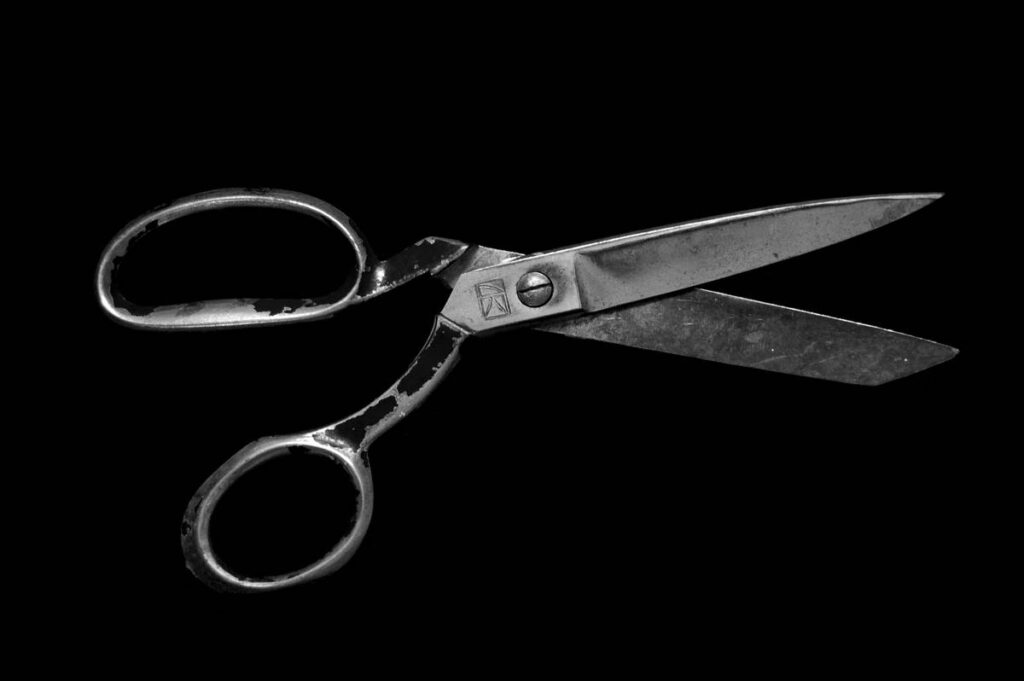
Nail scissors? Too thick-bladed. Kitchen shears? Comically oversized. Even some “beauty” scissors are just repackaged craft tools with zero ergonomics for delicate work. And let’s talk blade angle—most cut straight down, forcing you to yank hairs sideways just to see what you’re trimming. That’s trauma for follicles.
Here’s the reality: if your scissors don’t have micro-fine tips, angled blades, and surgical-grade steel, you’re not grooming—you’re gambling.
How to Use Precision Brow Scissors Like a Pro
Getting salon-perfect brows at home isn’t about luck. It’s technique. And the right instrument.
Step 1: Prep & Position
Brush brows upward with a clean spoolie. Identify only the longest strays—usually at the top arch or tail end. Never trim the inner brow; that area rarely needs shortening.
Step 2: Angle Matters More Than Sharpness
Hold your precision brow scissors vertically—not flat against the skin. The tiny blades should hover parallel to the hair shaft. This lets you snip millimeter by millimeter without nicking the base.

Step 3: Less Is More (Always)
Cut one hair. Step back. Assess. Repeat. Over-trimming is irreversible—but under-trimming? That just means you’ll look polished tomorrow instead of perfect today. Patience beats perfection.
Brow Grooming Methods Compared
| Method | Precision | Risk of Damage | Long-Term Cost |
|---|---|---|---|
| Precision brow scissors | ★★★★★ | Low | $15–$40 (lasts 2+ years) |
| Tweezers | ★★★☆☆ | Moderate (follicle stress) | $5–$20 |
| Razors / Trimmers | ★☆☆☆☆ | High (blunt regrowth, nicks) | $8–$30 (replace blades often) |
| Nail Scissors | ★☆☆☆☆ | Very High | $3–$10 (but damages brows) |
The Industry Secret: What Estheticians Won’t Tell You About Brow Hair Growth
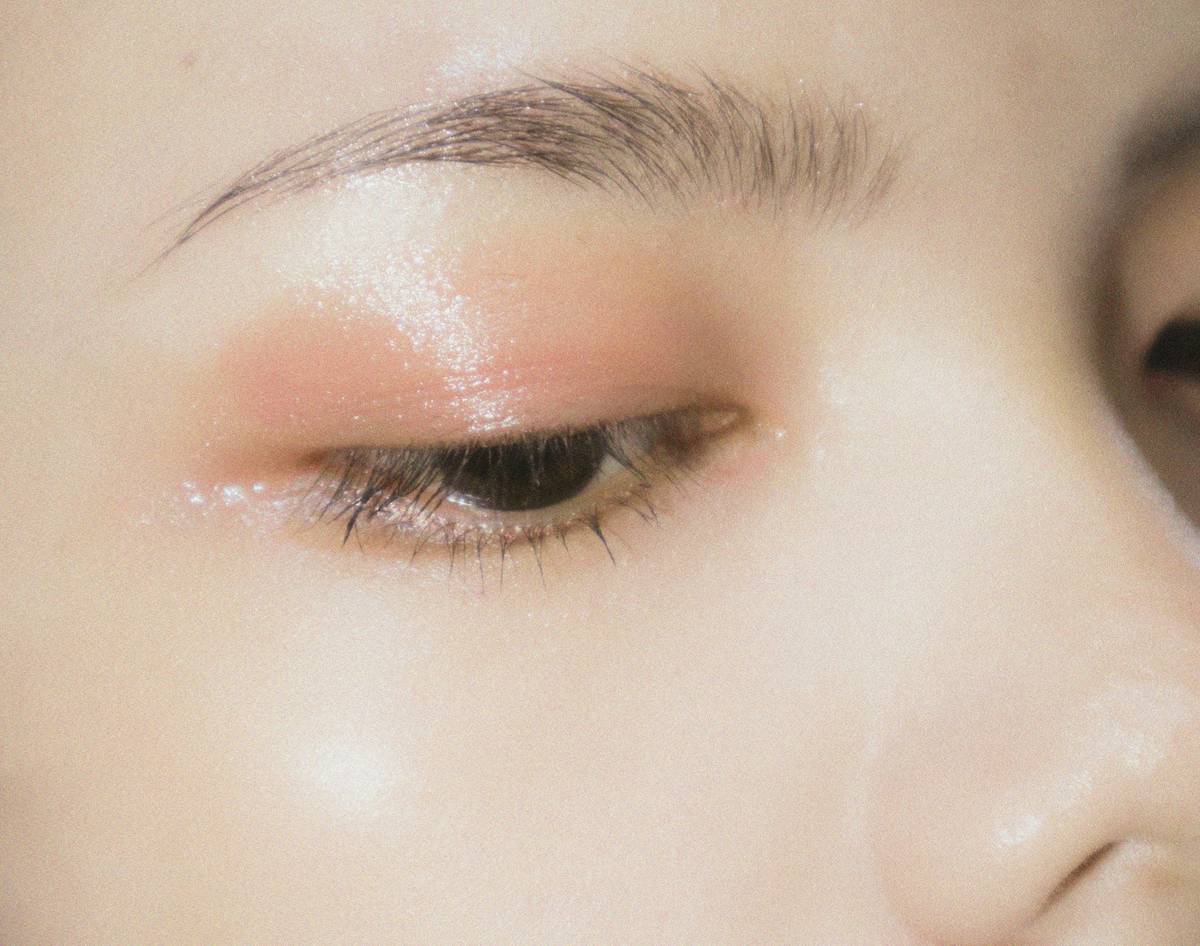
Here’s something most salons skip: brow hairs grow in cycles—just like scalp hair—but each follicle operates on its own timeline. That “random long hair” poking out? It’s not stray. It’s simply in anagen phase while its neighbors are resting.
And this is critical: cutting it properly with precision brow scissors doesn’t alter the growth cycle. But ripping it out? That shocks the follicle, often delaying regrowth or causing mini-scar tissue that blocks future hairs.
Think about it: plucking creates gaps. Trimming maintains density. If your goal is fullness—not sparseness—scissoring is scientifically smarter. One top LA brow artist told me off-record: “I’ve stopped recommending tweezers to 90% of clients under 35. Their natural shape is already great—they just need cleanup.”
Frequently Asked Questions
Can I use regular scissors instead of precision brow scissors?
No. Regular scissors lack the fine tips and controlled blade gap needed for facial hair. You risk cutting too much or snagging skin. Precision brow scissors are engineered for sub-millimeter accuracy.
How often should I trim my eyebrows?
Every 2–3 weeks. Brow hairs grow slowly—about 0.16 mm per day. Trimming more often leads to over-grooming and thinning.
Do precision brow scissors work for thick or coarse brows?
Absolutely. Look for models with Japanese stainless steel blades and spring-loaded tension. Thicker hairs need sharpness—not force—and quality precision brow scissors deliver both.