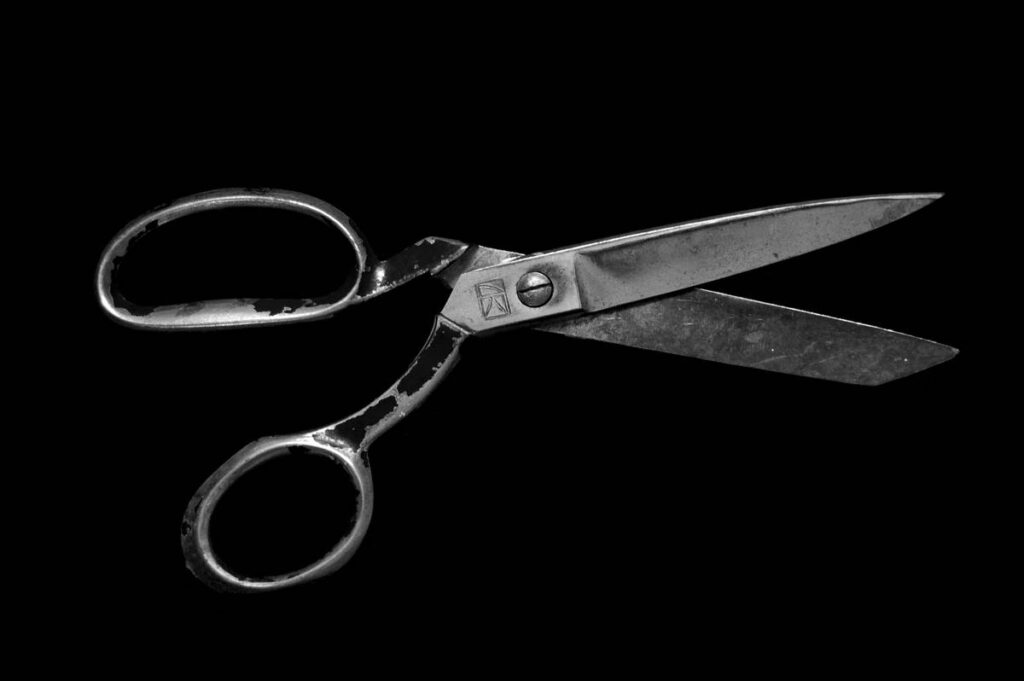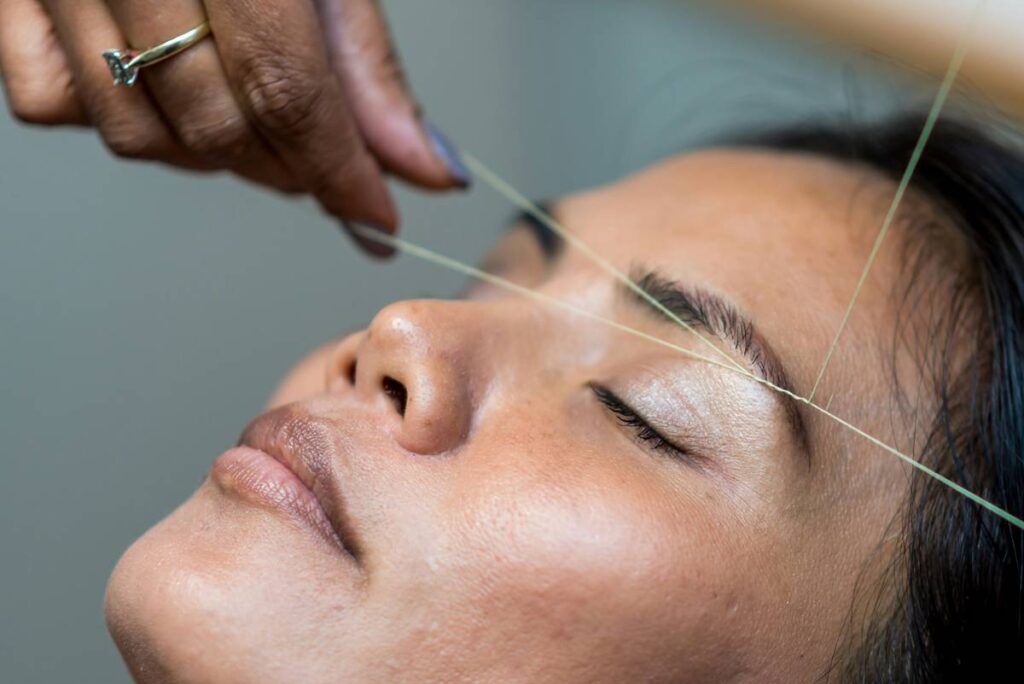
You’ve got unruly brows. You grab those tiny scissors from your makeup drawer. Snip, snip… and suddenly you’ve carved a canyon into your arch. Sound familiar? Most people treat brow grooming scissors like regular scissors—because they don’t realize these tools demand precision, not force. The solution isn’t buying more products. It’s mastering the one tool most overlook: brow grooming scissors.
Why Tweezing and Waxing Fail for Daily Refinement
Tweezing pulls hairs from the root—great for shaping, terrible for daily upkeep. Waxing? Overkill for stray ends that grow back in 48 hours. Both methods cause irritation, ingrown hairs, and patchiness if overused.
And trimming with fingernail clippers? Don’t. The blades are too thick, the tips blunt. You end up tugging, not cutting—and yanking out hairs by accident.
Brow grooming scissors exist for a reason: they’re engineered to shear single strands cleanly without disturbing surrounding follicles. Yet 90% of users hold them vertically, chop downward, and wonder why their brows look lopsided.
The Step-by-Step Guide to Flawless Brow Trimming
Choose the Right Pair – Not All Scissors Are Equal
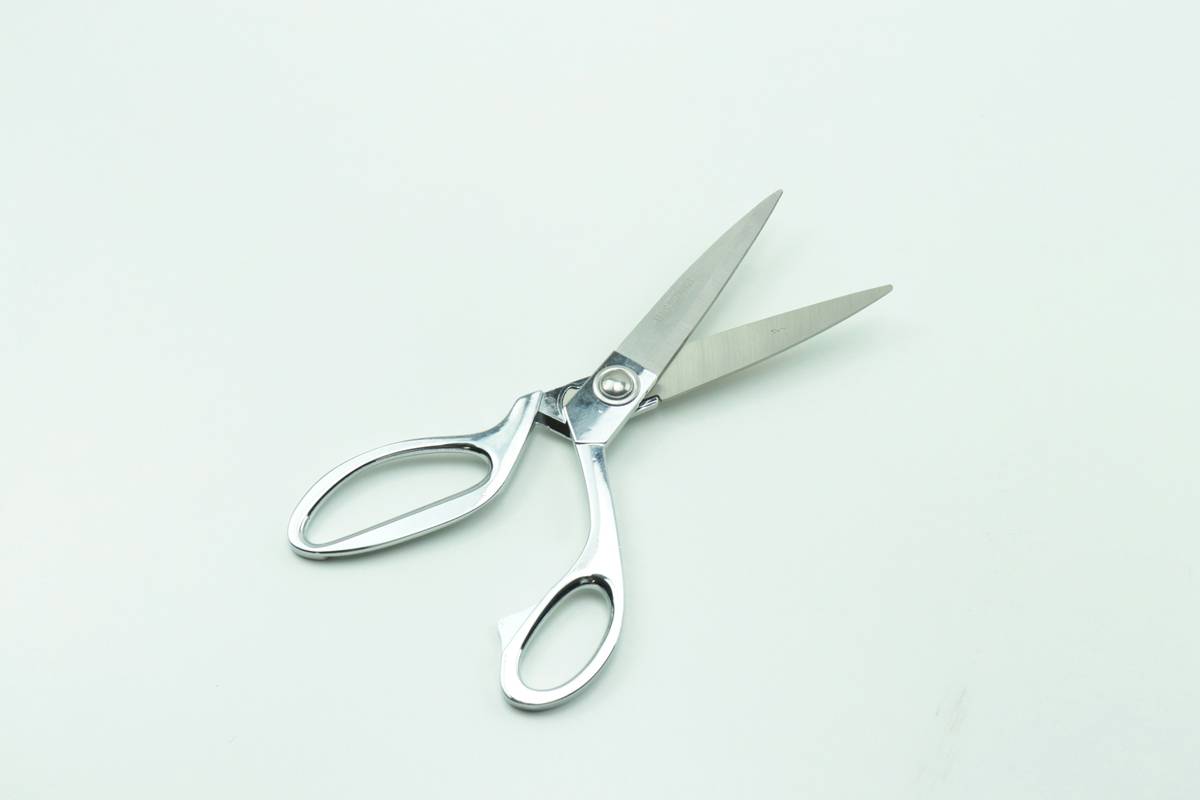
Look for stainless steel blades under 1.5 inches long with blunt tips. Sharp points = accidental pokes. Curved blades follow brow contour better than straight ones.
Prep Like a Pro – Dry, Brushed, Lit
Never trim damp brows—they shrink as they dry, leaving you with stubble. Use a clean spoolie to brush hairs upward. Stand near natural light or use a magnifying mirror angled slightly downward.
Trim With Surgical Precision
Hold the scissors horizontally—not vertically. Snip only the tips that extend beyond your natural brow line. One hair at a time. Seriously. Rushing causes asymmetry.
Here’s how common methods stack up:
| Method | Precision Level | Risk of Damage | Daily Usability |
|---|---|---|---|
| Brow grooming scissors (correct technique) | High | Low | Excellent |
| Fingernail clippers | Very Low | High | Poor |
| Tweezing alone | Moderate | Medium | Fair (for shaping, not trimming) |
| Waxing at home | Low | High | Poor (irritation risk) |

The Industry Secret: Scissors Are Meant for Maintenance, Not Shaping
Here’s what no beauty brand will tell you: brow grooming scissors should never define your arch. Their sole job is trimming overgrown hairs after your shape is already set via tweezing, threading, or microblading. Use them to refine—not create.
Salon artists keep two pairs: one for coarse terminal hairs, another micro-tip pair for vellus (peach fuzz). Most drugstore kits give you one generic pair—fine for beginners, but insufficient for true control. If you’re serious about symmetry, invest in dual-scissor strategy. The math is simple: better tools + correct intent = brows that look effortlessly full, not hacked.
Frequently Asked Questions
Can I use regular scissors for my eyebrows?
No. Regular scissors lack the fine tip control and short blades needed for precise brow work. You’ll likely cut too much or tug hairs.
How often should I trim my eyebrows?
Every 10–14 days. Over-trimming thins brows over time. Only snip hairs visibly longer than your brow line.
Do brow grooming scissors work on thick, coarse hair?
Yes—but only if the blades are sharp surgical-grade stainless steel. Dull blades crush instead of cut, causing split ends and frizz.